Solitude

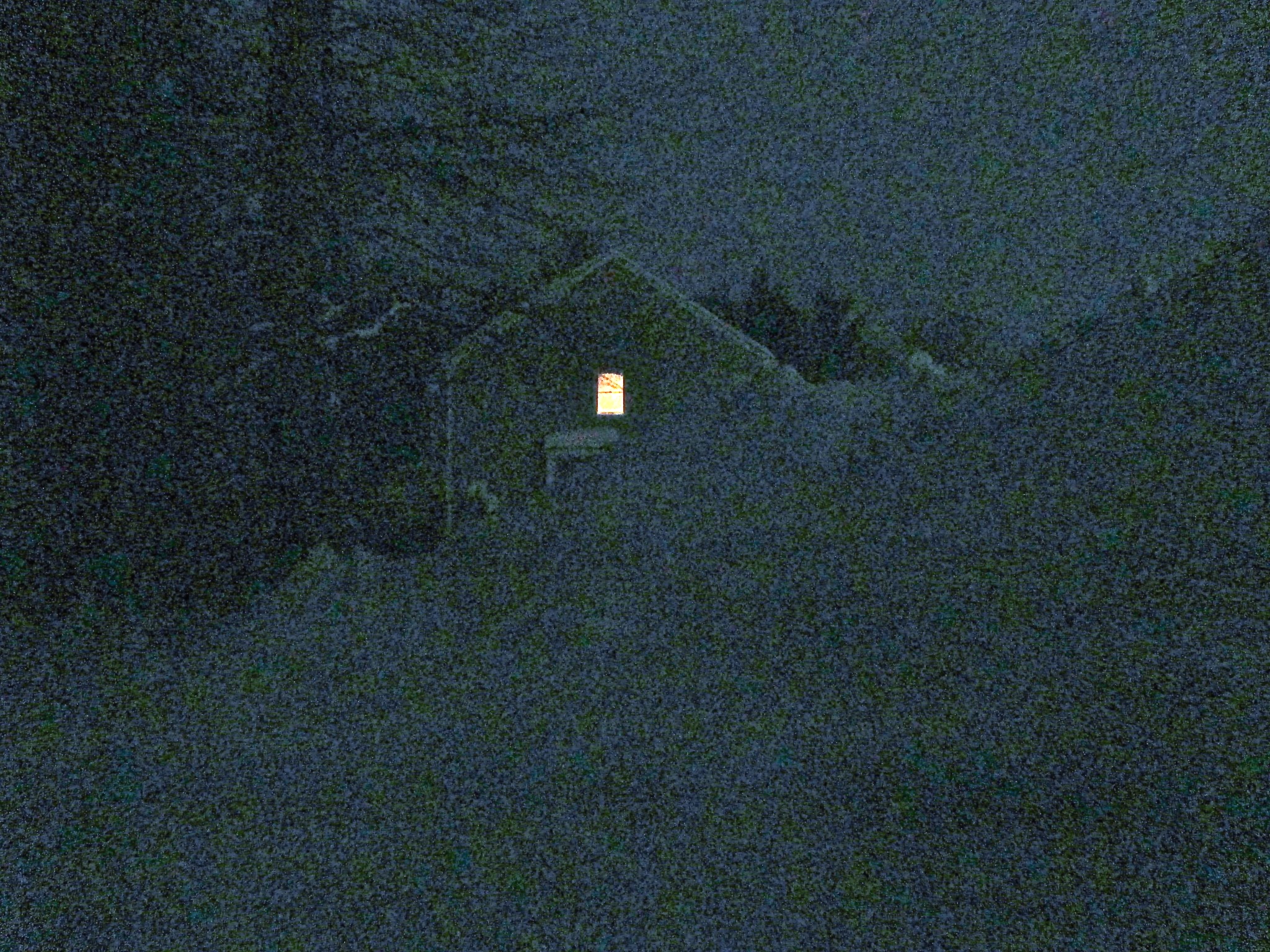
It is dark and quiet and claustrophobic. A dim light glows from my iPad, currently in “night” mode, as the words of my book dance across the pages. There are other lights shining in my periphery, the reading lights of passengers across the aisle, and a row of gold and red “fasten seatbelt” icons starts above my head and runs toward the front of the plane. The constant low roar of the jet’s engines fills the silence that might otherwise be deafening, stuffing the cabin with its noise.

The book I am reading is one I have been poking my way through for a month or more. Poking. I am not a fast reader, but I have allowed this one to stretch out because it fits where I am in my life, and it allows me to both reflect and catch up with my emotions. If I finish it, the journey will be over.

The journey through Kelly Corrigan’s Tell Me More is one that celebrates life and death, and focuses on both happiness and grief. She talks of the love she had for her father (recently deceased) who supported her through the bumpiest of times—the back-sliding, the disappointments, the struggles of growing up. She talks of his life, his death, and how she’s been since. But there are other stories in the book. Losing her close friend, raising her children, parenting mistakes and triumphs. But it is the stories of her father that resonate most deeply with me because I am right there.

At various points through the book, I have cried. And now, sitting in the darkened cabin of an airplane hurtling through the night, I push my way to the end of the book, and I cry once more. The dark masks my tears, but I am not trying to hide. Grief is a part of a life—part of our deep and loving relationships. This writer, she gets it. The grief doesn’t go away. It quietly walks beside us, slipping into our consciousness every now and again when we least expect it.

As I read, as I work, as I parent, as I live… the grief is there. Every day, I relearn how to live with it as my life situations change around me. Here, stuffed inside the cavity of an airplane, the lessons are learned anew. When the plane lands and the passengers tumble out, I will reflect on this moment of solitude among the masses. And I will remember that grief is a shared experience.
Choose Happy

I’m working on happy, and for the most part, I am succeeding.

But lately, I have been trying to quell the noise that rattles around in my head. And by “noise,” I don’t mean just the self-talk. It is the noise of constant news from a society that often feels very broken and misguided.

I am trying to convince myself that change is on the horizon. Big change. It has to be. We just don’t know how long it will take to get there and how far away it might be.

And so, I pull inward where I can think and reflect and revise and pray. I hold on to the good moments of the day, the thoughts of positive actions, and the random acts of kindness. I remember what I am here for and whose I am.

And each time I am presented with the choice to be happy or not, I choose to be happy. Sometimes, I choose the better of two options, and it feels like a compromise. But most times, I choose happy. Either way, I am moving in a positive direction.

Happiness is a choice we make at various times throughout the day. When presented with the choice, choose happy.

Time for Action

Dear Elected Officials,

Today is Ash Wednesday in the Christian calendar and also Valentine’s Day. It is a day to celebrate renewal, rebirth, and love. The perfect confluence of holiday and holy day.

And yet, here we are, once again shocked and bewildered by a mass shooting in a U.S. high school. We are listening to horrific accounts of students scattering to escape gunfire; hearing parents’ fear as they talk of receiving panicked texts from their children; watching the post-shooting press conferences as law enforcement officials talk of casualties. Here we are. Again.

And there you are, sitting on the floor of the House and the Senate, collecting your donations from corporations and organizations promoting their agendas. Lining your pockets with blood money. Living out your days of public service in affluence at the expense of our most vulnerable—our children—while you refuse to consider that the real problem with our county might just be a government that is sponsored by corporate interests.

Senator Chris Murphy stood on the floor of the senate, visibly shaken by the most recent news, and delivered a brief message before he moved on to business. He said you are all responsible, but then he ended with the statement, “We will hope for the best.” What?

Seventeen more lives lost, and you are going to “hope for the best”? Seventeen young people who will not make their contributions to the world. Seventeen what ifs. These were young people with their entire lives ahead of them, young people with great promise. They were everything to their families, just as your children are everything to yours.

Perhaps one of these students was to be the  brilliant mind to find a cure for the very cancer that could now take the life of your grandchild. Another of the victims would promote an innovative and workable idea to create lasting peace in the most intensely war torn regions of the world. One could have developed a system to recycle and purify the Earth’s dwindling water supply. And another would figure out a way to reverse brain damage.

We will never know what might have been. We will never see what these young people might have contributed to our society. Because they didn’t make it to their high school graduation.

Yes, Mr. Murphy, you and your colleagues are responsible. You cannot “hope for the best” while you sit on the senate floor and do nothing. In this case, “hope” is not an action verb. “Hope for the best” all you want, Mr. Murphy, but hope without action is for cowards.

It’s time, Senators and Congressmen, to take on the work of the people who elected you to office. It’s time to protect the right to life of the children already born. Risk the disdain of those around you and take some action. If you step out of your comfort zone and do rather than hope, you might just change the trajectory of our society.

{photo used with permission of my talented daughter}

Do One Thing

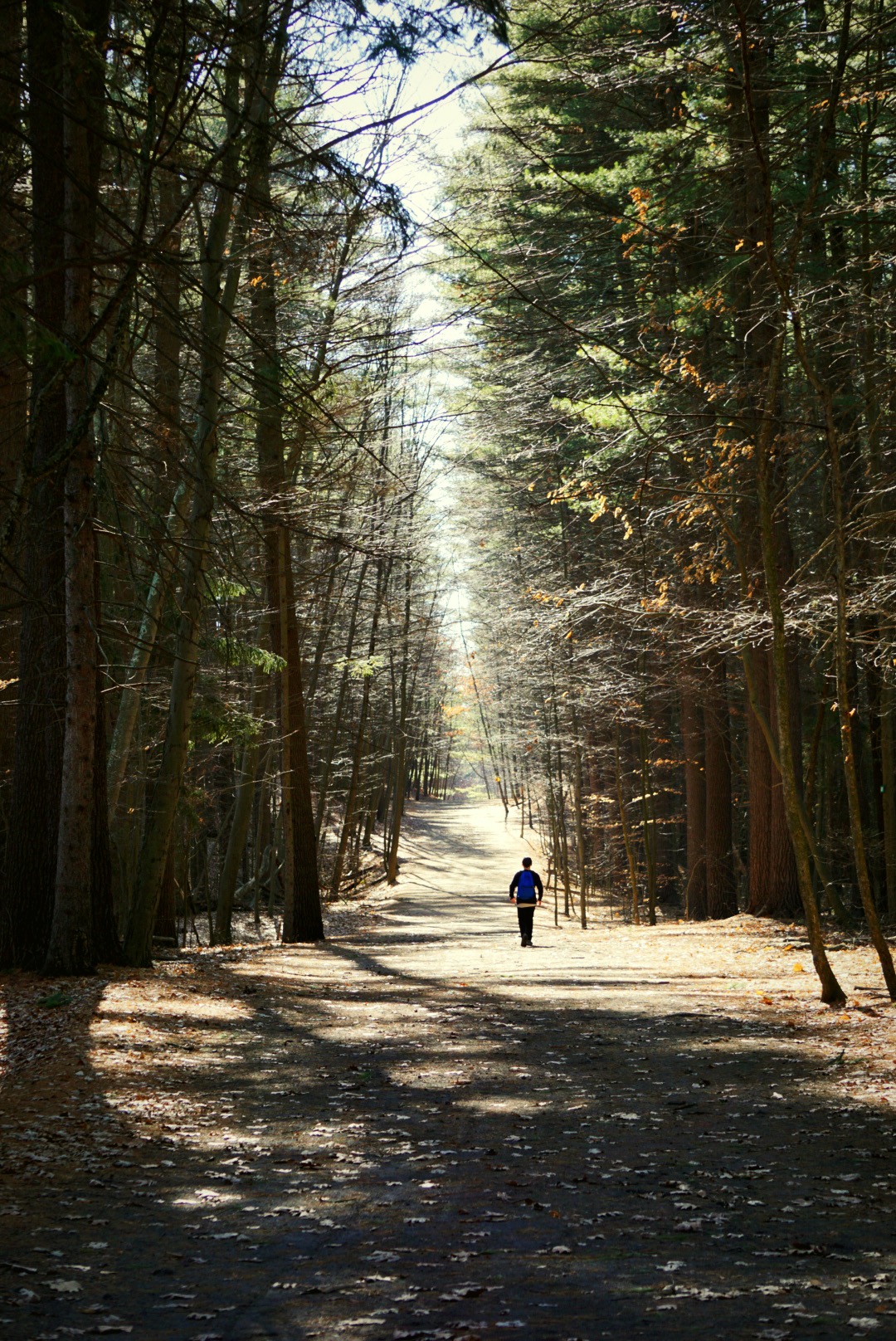
On Wednesday, at the height of our most recent snowstorm, I went out for a walk. There is nothing to calm the soul and settle the noise of the world like a walk in a snowstorm. The falling snow muffled the noise in my head and pushed me toward a greater focus, allowing me to think.

I have been working on clearing out my head space, so I can more confidently forge a path toward my goals. It’s a journey, though at times it tends to feel like a journey of a million miles.

The first step is to simplify. I don’t just mean simplifying my environment by sorting through the things I own. I mean working to simplify my approach to the goals I have set for myself—those known goals that I am purposely working toward, and those goals that will evolve and become evident as I move down this path.

I have decided my approach will be to Do One Thing. I will start with the first step. It might be a big step, or it might be a teeny-tiny baby step. But any step will be one step more than the last. After each step, I will re-evaluate. If the first step didn’t turn out the way I’d planned, I will try something else. Regardless of whether I step or misstep, I will Do One Thing more, and I will be moving toward my goal, taking risks, and no doubt, learning more about myself in the process.

Because if there is one thing I have discovered in life, it’s that it’s never too late to become who—and what—you are supposed to be.

Kindness

We all have stories we tell ourselves. I have stories that I’ve woven into my reality that have been created to serve some purpose or other. Sometimes, the stories allow me to stay in my comfort zone. For example, lately I have been telling myself that once it warms up outside, I’ll start walking. If I tell myself this story, I don’t have to push myself to step out into the cold. In the winter, I like being warm, and even though I should go out and walk each day, it’s cold. And icy. And the wind will cut through even the heaviest of winter jackets. Winter is not the time to exercise outside, even though I used to do it all the time back when I was younger and more tolerant of the extremes in weather.

Sometimes, the stories I tell myself are designed for self-protection—i.e. so I am not disappointed about something that isn’t likely to happen. I might tell myself that a story won’t be published or that I am not good enough to be included in a group or accepted into a coveted program or opportunity. These stories are woven specifically to protect me from disappointment. Because after all, if I don’t get my hopes up, I won’t be let down, will I?

But the worst thing is the constant self-talk in my head. I can be brutal—constantly chastising myself for the things I say, the things I do, the things I don’t do. I have a whole series of conversations and monologues that I run through my head that focus on the worst about myself. I don’t think I am an anomaly in this respect. I think it is something that women, especially, do on a regular basis. Why do we do this? Why do we convince ourselves that we will never be enough?

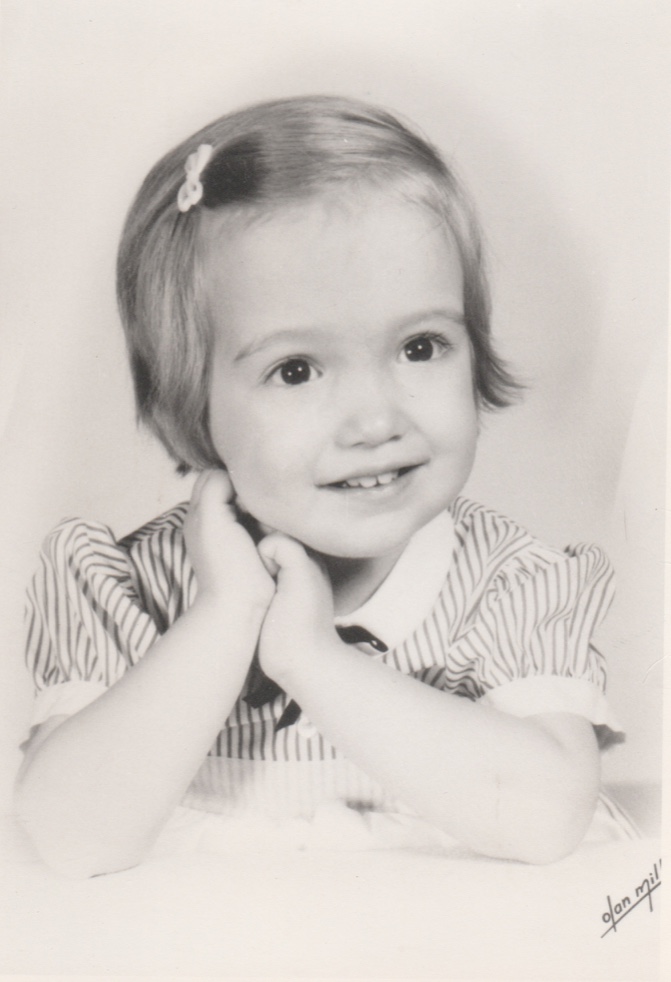
Recently, I saw this video by TruthBomb Mom on Facebook in which she spoke with other women about their self talk. They admitted that they are harder on themselves than they should be. When the host then produced a picture of the woman as a little girl, she asked if the woman would say the same things to this child. And so, I took out a picture of myself as a child. Would I tell her the things I tell myself? Perhaps what we all need to do is be a bit more gentle on ourselves.

The next time I am tempted to criticize myself for every little thing I do, I am going to think of this girl. If I think of her, I have an inkling I am going to be just a bit more gentle, more patient, and more kind with myself. Because I am a work in progress, and deep inside my soul, this little girl is still a big part of who I am.

Fleeting Thoughts

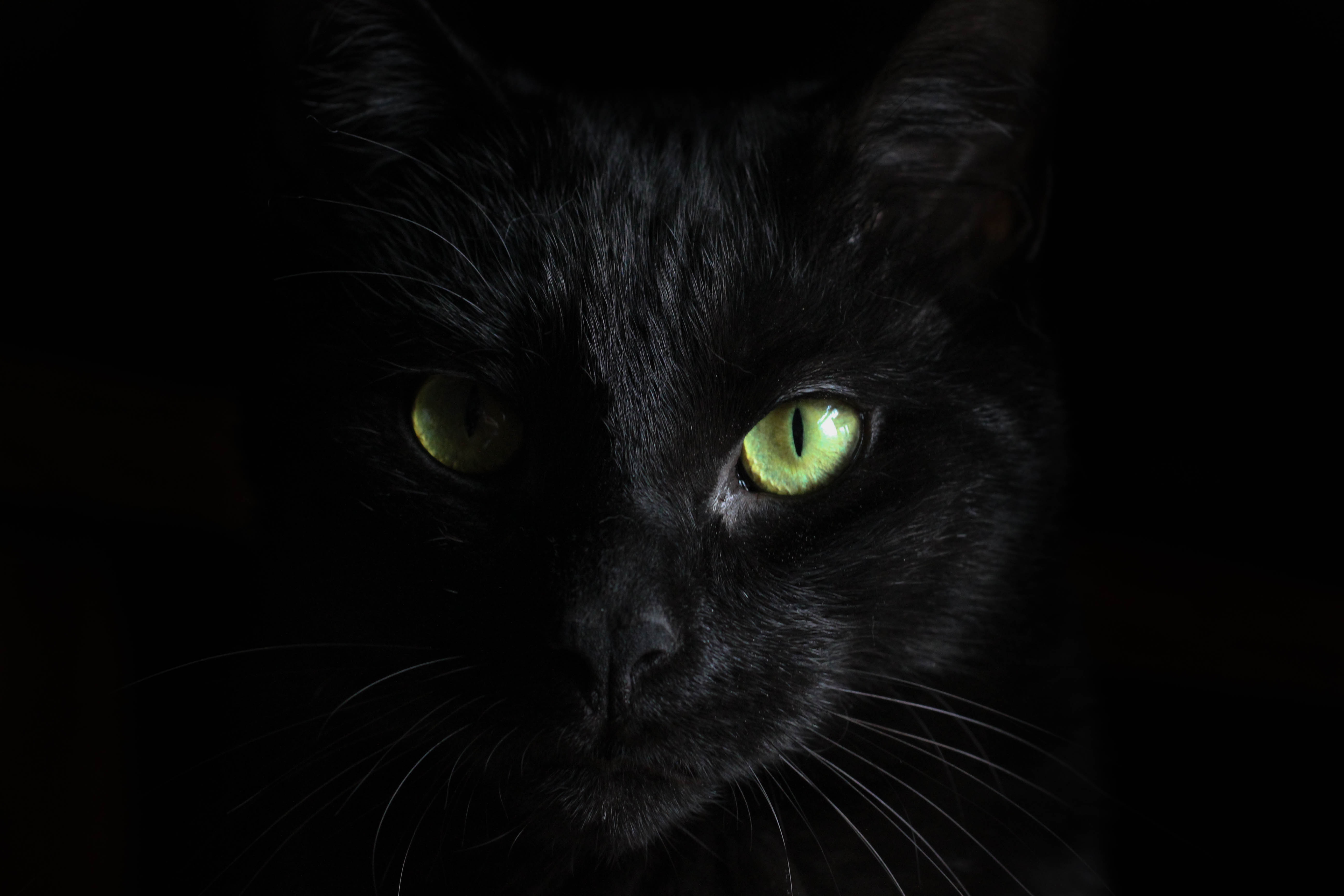
I am sitting on the couch all cozy under a blanket as I watch my cat. She is looking for something to play with or something to do to keep her busy. She contemplated eating the charging cord to my computer, but then she remembered she’s not that kind of cat. She is the kind of cat who enjoys pulling my kitchen towel onto the floor, so she moved into the kitchen, perhaps to do just that.

The energy it took to get through the day has drained me, and I am savoring a few peaceful moments before I move upstairs to reread one of the books I will be teaching next week. Peaceful moments equal reflection and writing time, and since I couldn’t corral my thoughts into something coherent, I am writing down the ones that make sense.

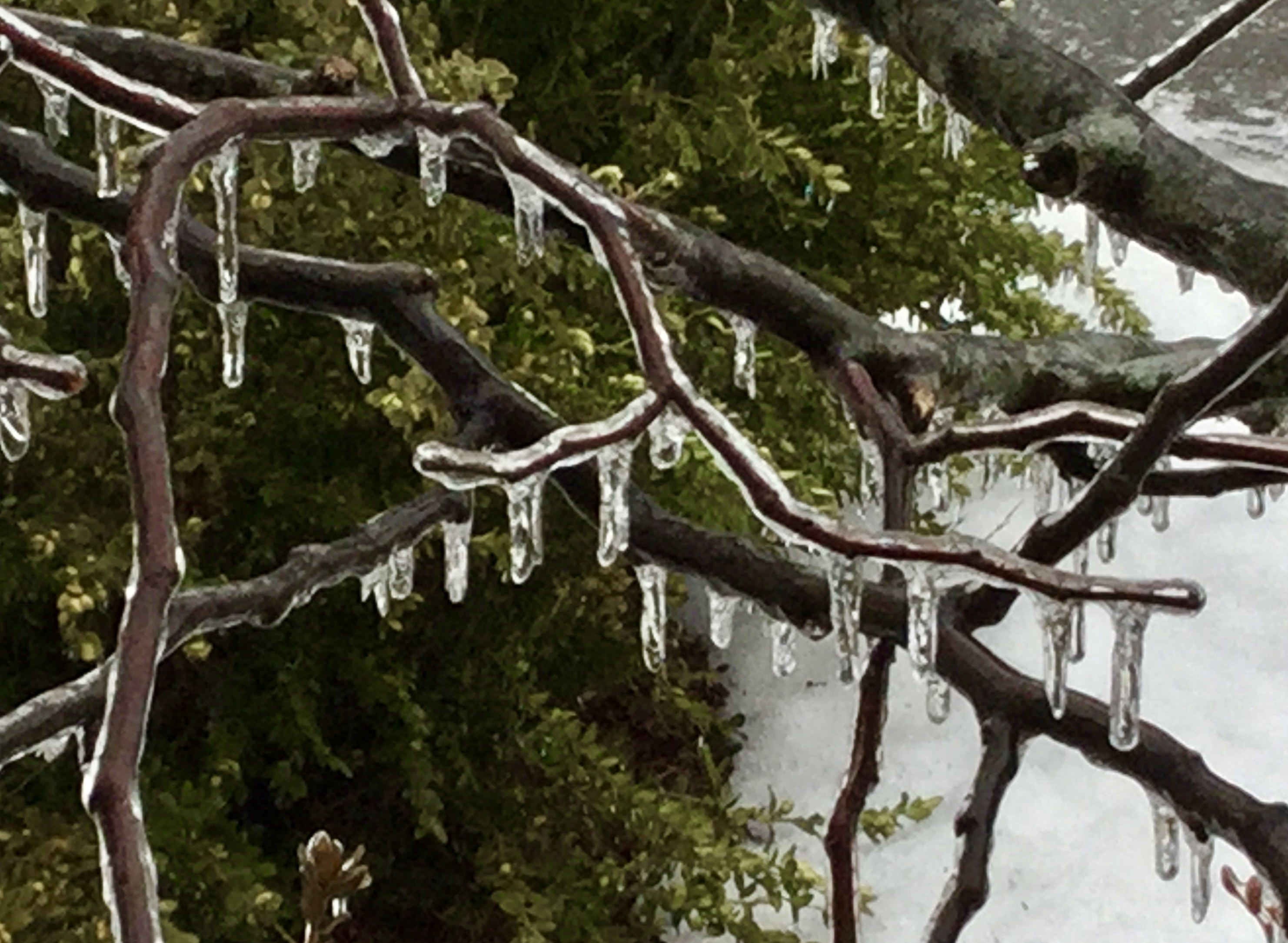
Today was one of those days when the world seemed to stand still. The weather dampened everyone’s mood as the rain poured down in buckets and froze on every surface, both horizontal and perpendicular. In fact, everything has been so slippery that school was tardy for itself today, with a two-hour delay that came in an unexpected pre-dawn phone call. Since then, it seems, the day has been working to catch up with itself.

Here in the Northeast, I am craving sunlight and warmth, the advent of spring. It is the dead of winter, and my body is bereft of vitamin D. Like my cat, I want to spend the day curled up in a sunbeam, soaking in the light and the warmth, feeling the positive transformation within the depths of my being.

For now, perhaps sleep will have the effect of a sunbeam. And maybe tomorrow, time will follow a more predictable path.

Advice to My Younger Self

Watching teens go through their various challenges is one of the more difficult parts of parenting. I always thought it would be great if I could somehow spare my children the trauma of middle school and high school. These are the years when kids are jockeying for some kind of ridiculous social position. They want to be seen as the best, the brightest, the funniest, the prettiest, the most popular, the most athletic, etc. The “senior superlatives” celebrated in the local high school speak to the role such competition plays in the lives of teens.

And yet, competition—being the best athlete, having the most friends—these are not the things that are the most important in life. The most important things in life are how we treat other people and how we treat ourselves.

By channeling my younger self and tapping into some of the challenging experiences I remember, I can offer some advice to my teenage self [which is actually thinly veiled advice to my teens…].

Mind your own business, and don’t get involved in other people’s drama. There may be situations that look enticing, and times when it is tempting to step into someone else’s train wreck. And there is no reason not to step in with a sincere offer of help. Otherwise, drama is always good to avoid—your own, and that of others.

Set your goals high. The higher your goals are, the farther you will go. If your goals are easily obtainable, you will not have a reason to keep pushing yourself and keep growing. As a wise teacher once said, “If you are not growing, you are dying.” Setting your goals high will give you a reason to keep growing.

Find your own internal motivators. You have to find meaning in what you do, and that meaning has to come from you. No one else can make sense of your life and your activities. No one else can give you reason to complete tasks, to earn good grades, and to pursue your goals. That meaning and sense of purpose has to come from you.

Walk away from those who don’t treat you well. Keep walking and don’t look back. There are many people who use others, manipulate them, control them, etc. These people, they will get what’s coming to them. It’s called karma, and it really does exist.

Don’t let other people define your limits. Other people are always quick to tell you what you can and can’t do. For example, You shouldn’t pursue a career in [insert creative endeavor here] because you won’t be able to make a living. When I was in graduate school, my advisor—who had met me moments before—looked at my proposed plan of study and said, “You can’t take that many courses. You won’t be successful.” I wanted to say, Watch me! Instead, I just nodded and said these were the courses I would take, thank you very much. Sometimes, people tell you things because they want what’s best for you. Sometimes, they don’t want you to be disappointed. However, only you can determine what’s best for you. And that leads to the next point…

Find your passion and pursue it. If you love to write, find a way to incorporate that love into your college program or your career path. If you are passionate about biology and music, be creative about how these two pursuits might fit together into a career that will feed your soul. If you can’t figure out how to form your passion into a career, at least continue to pursue the activity in a way that is meaningful to you.

Always be true to yourself. You know who you are and what you stand for. Don’t compromise your values or yourself to fit another person’s idea of who you should be. Be you because that is the best and most viable choice you can make.

Happy New You

If you are looking for resolutions for 2018, if you are thinking about a way to improve yourself as we rush headlong into a new year, take a moment to think about the conversations you play and repeat in your head.

What do you tell yourself about who you are? What societal influences have you allowed to slip into your sub-conscious and become a part of who you are? In what ways have you lost touch with your true, authentic self?

Flush out all of the negative thoughts that make you feel you are not good enough. Move away from the constant pressure of social media and the “friends” you maintain there. Take some time away from the Internet to meditate and reflect on who you are and who you want to be. Do what’s necessary to find your true, authentic self.

That is where you will find your happiness and your best self this year and in the years to come. Happy New Year!

Rediscovered Treasure

This weekend, winter decided to move in. On Saturday, the temperature dropped several degrees, and the snow began to fall just before noon. And Saturday was the day I chose to sort through my Christmas ornaments to decide what I would keep and what I would give away. After all, some of the ornaments in my collection have been kicking around since I was just out of college. And even earlier.

Nowadays, I tend not to burden my tree with an overabundance of ornaments like I did when the kids were younger. Mostly because I like it simple—lights and a few sparkly ornaments to reflect the light back into the room. But there is also the fact that my teenagers are excited about decorating the tree, but not so excited about taking it down after Christmas.

So I sat on the couch and opened the large, green plastic tote, removed the first cardboard box, and began to unwrap small tissue paper balls to rediscover what was inside. Plastic animals dressed in Santa hats with wreaths, hand-painted cinnamon sticks and wooden disks picked up at a long forgotten craft fair, needlepoint plastic canvas squares… these were the items that found themselves in the ever-growing “give away” pile.

As I sorted, I came upon a yellowed box that said, “Mom’s dwarfs” in the handwriting of … I’m not really sure … one of my aunts, maybe? And in pencil, in a similar handwriting, it said, “For Suzanne from Nana.” More recently written were a number of notes in Dad’s handwriting: instructions about being careful, about the fact that there were extra parts wrapped up by themselves, about the things that Dad would typically warn me about as he removed these very fragile items from their carefully crafted tissue paper cocoons.

And now, I pulled one out of the box and placed it in my lap. I unrolled the tissue, getting closer and closer to the treasure it held. The weight of the ornament was less than one might expect, making it easy to fumble or accidentally drop it. But it was cradled securely in my lap. Finally, I was rewarded for my care when I spied the first glint of pointy shoes, a leg, and then a jolly face, its paint cracked and peeling from years of use.

My breath caught in my throat as I could feel Dad’s large hand carefully placing the “dwarf” ornament in my own then small hand. Each year, without fail, before he let go, he would ask, “Got it?” double-checking that this delicate figure was secure and would not fall to the floor where it might meet its demise.

The fact that these old ornaments had seen better days did not make them any less precious. The memories they evoked were worth the extra care needed. Of course, now that I have carefully unwrapped these very fragile ornaments on my own, I believe they are less fragile than all the past fuss would indicate. No matter. I still took great care as I hung them on the branches of my tree.

My one question that will never be answered: why, with elves all around at this time of year, did these ornaments end up being labeled “dwarves” rather than “elves” that might be more fitting for the Christmas season? I suppose I’ll never know. I will be left to devise my own theory.


Periphery

I was driving home from a dance class this evening. It was rainy and dark and more than a little bit foggy. I was listening to a story on NPR about baking and bread and devising new recipes. The story had my attention because I hadn’t had enough dinner before I ran out the door, and I was hungry.

In the distance, a barely visible shadow streaked across the road in front of me, jolting my attention from the radio and from the task of driving. I strained my vision through the fog to discern what it was I was seeing. Was it a cat? It seemed a tad too large. Was it a fisher? It didn’t move in that awkward, uneven manner of a fisher. Or was it someone’s escaped dog? The figure was gray—barely a shade lighter than the gray of the foggy night—and I wondered if, in fact, I had really seen an animal dart across the road despite the clear sparkle of its eye.

But then my mind wandered to all of the things that are constantly playing at the edges of my consciousness. Just like the animal that had crossed my path, these things could slip by unnoticed unless they are given attention. A butterfly flits through the meadow on a summer breeze. A deer stands in the brush, munching on leaves and grass. A streetlight blinks and turns off.

But there are other things that hang out in the periphery, as well…. Ideas that aren’t yet fully formed, that are just beginning to take shape. Words that might have been spoken before the opportunity slipped away. Prayers that need to be said rather than kept inside.

Life has very few distinct edges. It blurs and frays and blends. The physical blends into the cognitive which blends into the spiritual in ways that are reminiscent of this evening’s fog. Our lives blend into the lives of others. If we relocate our attention, we might just shift our focus, our decisions, and quite possibly our reality. Imagine the possibilities.

{Photo by Hannah Troupe on Unsplash}