Jalopy

We are driving up the highway on our way home from a typical crazy trip out. The afternoon started with a long-awaited appointment, and spilled into a trip to the craft store for fabric paint for a school project, a hop into the grocery store for two necessary items for a cake, and a stop at the pharmacy, which (for future reference) closes early on Saturdays.

Just behind my peripheral vision, the clouds are on fire with the setting sun. Up ahead, the sky is tinged with residual pink, as if someone took a paintbrush and accidentally touched a couple spots with the wrong color. It is this time of day on this drive up the highway (as wonder streaks the sky with end-of-day color) when I am most likely to feel that Dad is present.

Suddenly, a large pick up truck pulls alongside my car, then passes me. He is towing a trailer on which rests enough of another truck to allow me to recognize it as an antique from the 1930s.

“There’s a jalopy,” I comment, speaking as much to myself as to my daughter, sitting in the passenger seat. The sight of the antique truck and the recall of the word “jalopy” bring to mind memories of being in the backseat as a child with Dad driving. He would comment on a jalopy on the road or sitting on someone’s front lawn.

“What’s a jalopy?” my daughter asks.

I smile to myself, remembering Dad. “Look it up when we get home.” It’s a Grampa word, I want to tell her, but I don’t.

“I don’t even know how to spell that. How can I look it up?” she asks.

“You’ll figure it out,” I say.

What a great word. Jalopy.

Positivity Post: Snow

Lately, we have been walking the line between seasons. The temperatures have been rising a bit, the ground has been bare, the birds are more vocal, and it has been feeling a bit like spring. Until last night when a storm blew in. This morning, we awoke to a foot and a half of snow and no school—a late season snow day when I was done with snow days. Mother Nature had other plans.

It is March, after all. After I had my daughter in early March, I began to realize how snowy this month can be. Countless birthday parties were cancelled, postponed, or spontaneously re-created because of weather—so many, in fact, that it was the topic of her college essay. But snow—even when we thought we were heading into spring—is really just a bump in the road.

For example, this time of year, with the longer days and the warmer temperatures, the snow will melt in no time! The melt of a foot and a half of heavy, wet snow will raise our water supply, decreasing the likelihood of drought conditions in the summer.

So today, I enjoyed the snow. This morning, I got some extra exercise as I removed the snow from my car then shoveled around and under my car—a necessity if I wanted to move out of my parking place. Late in the day, I went out with my daughter and took a few pictures of the snow. My focus was on bits of snow clinging to individual branches and the manner in which the white background made the details more vivid.


In between, I did some snow-day baking. Homemade bagels—an experiment that I will definitely improve upon. They don’t look so pretty, but they are delicious! I also made some chocolate orange biscotti. This was made from a recipe that I discovered years ago, but haven’t made since. For some unknown reason, today was the day. The biscotti is just as good as I remember!


March… it really does come in like a lion. Two nor’easters so far this month with another promised for next week. After that, maybe we’ll see a restart to spring. And maybe this time, spring will stick!

The College Experience

Over the weekend, I was walking through the streets of New York City with a woman who had been a stranger up until the walk had begun. We had been thrown together by our daughters, who had gathered for a meeting with a group of their soon to be college classmates.

As this woman and I walked, we talked about the typical things that mothers of teenagers talk about. We started with college and choosing the right school; we talked of letting go and stepping up. We discussed work and children and the challenges and rewards of each different child. Our conversation even wandered to the care of aging parents.

Somewhere in the middle of our conversation, when I mentioned that I, too, had attended the college our daughters would attend, she asked me, point blank, if my college experience had been a good one.

I paused and took a deep breath as I gathered my thoughts. College was an experience. I had been young, as most students are, and struggling to find my way. It was not the best of times for me. “Well,” I started. “It was college. And as we gather life experience, we learn that in any situation, there will be good times and bad times.”

I went on to explain that for the most part, college was a good experience, but there were some tough times and some moments of incredible growth. I was a perfectionist. I took a tough load of courses and I demanded the best work from myself. College—like life, I suppose—is tough, but when you are eighteen, you don’t yet have the life experience to know that this is the case. You have high expectations, and you don’t think it’s possible to be on a campus with so many age-peers and yet, experience loneliness. There are things that all college students should know before they leave home. Here are just a few:

College is not the best four years of your life. I know you’ve probably heard this, but if it were the best four years, why would people keep working and striving? The best part of your life comes much later, when you’ve figured out who you are and what you are about. It takes awhile to get there. Be patient and enjoy the ride.

Don’t be so hard on yourself. Just because you have gotten into your first choice college (or your second or third choice…), and most of the time you might be happy about that, there will be times that are incredibly sad or difficult or challenging. That’s the way life is, and these years prepare you to face the sad/difficult/challenging times later on. The campus environment can’t protect you from the challenges, but it does provide a good support network to find help if you need it.

Give yourself time. You are living away from home for the first time. You will need time to transition to your new life, adjust to your new surroundings, and familiarize yourself with your new schedule—just as you would in any new situation. Don’t make a snap judgment and go home after your first—or fifth—night on campus. If you find you are homesick, make a commitment to try one new thing each day—even if it is just to take a different route to class.

Power through. It’s not always easy to keep going when things happen or when life rears its ugly head and wants to take you down. But as with any situation, you have to keep moving in a forward direction. Eventually, generally sooner than you think, you will find yourself back on course, and you will be happy you kept moving.

Take advantage of all that you have available. College campuses have a wealth of resources available to students. There are professors with a vast array of knowledge. There are classes in many varied disciplines. If you think you want to try out a course in a new subject area, do it. You will also have activities and lectures and events available to you. Choose wisely, but take advantage of what is offered. If something looks good, check it out. Who knows when you may have another chance like this?

Surround yourself with people who energize you. It is a fact that spending time with people you are fond of will help you adjust to the newness of your surroundings. It will make you feel connected, and it will give you a network to fall back on, and you will have a chance to raise others up, as well.

Most importantly, enjoy! While you are studying hard and involving yourself in all that your college campus has to offer, don’t forget to enjoy the moment. Take a minute to toss a Frisbee with a friend, grab a coffee on the way to class, or take a P. E. class so you can fit in some exercise. You will be glad you did!

Solitude

It is dark and quiet and claustrophobic. A dim light glows from my iPad, currently in “night” mode, as the words of my book dance across the pages. There are other lights shining in my periphery, the reading lights of passengers across the aisle, and a row of gold and red “fasten seatbelt” icons starts above my head and runs toward the front of the plane. The constant low roar of the jet’s engines fills the silence that might otherwise be deafening, stuffing the cabin with its noise.

The book I am reading is one I have been poking my way through for a month or more. Poking. I am not a fast reader, but I have allowed this one to stretch out because it fits where I am in my life, and it allows me to both reflect and catch up with my emotions. If I finish it, the journey will be over.

The journey through Kelly Corrigan’s Tell Me More is one that celebrates life and death, and focuses on both happiness and grief. She talks of the love she had for her father (recently deceased) who supported her through the bumpiest of times—the back-sliding, the disappointments, the struggles of growing up. She talks of his life, his death, and how she’s been since. But there are other stories in the book. Losing her close friend, raising her children, parenting mistakes and triumphs. But it is the stories of her father that resonate most deeply with me because I am right there.

At various points through the book, I have cried. And now, sitting in the darkened cabin of an airplane hurtling through the night, I push my way to the end of the book, and I cry once more. The dark masks my tears, but I am not trying to hide. Grief is a part of a life—part of our deep and loving relationships. This writer, she gets it. The grief doesn’t go away. It quietly walks beside us, slipping into our consciousness every now and again when we least expect it.

As I read, as I work, as I parent, as I live… the grief is there. Every day, I relearn how to live with it as my life situations change around me. Here, stuffed inside the cavity of an airplane, the lessons are learned anew. When the plane lands and the passengers tumble out, I will reflect on this moment of solitude among the masses. And I will remember that grief is a shared experience.

What if…?

I am a worst-case scenario kind of girl. You know all those things we spend time worrying about? I can worry with the best of them.

In fact, my worrying started when I was just a tot. We would take a weekend drive in my father’s jeep out into the country and onto back roads that time forgot. They were rutted dirt roads that wound through the woods, over hills, and along streams. To my eyes, they were little more than hiking trails. I would often pipe up from the back seat, “Where are we gonna turn around, Daddy?” My tiny little worried mind couldn’t see how we could ever get back home.

But we always did.

If I let my imagination run wild, it can create situations that even the best imaginations would pass up as impossible. Not for me. Everything is worth worrying about because what if [insert worst-case scenario here] happens?

But what if it doesn’t?

What if I just stopped worrying? What if I recognized that many things are out of my control and worrying only makes me anxious, stressed, and robs me of the ability to enjoy where I am and what I am doing. Right. Now. What if I just stopped, took a breath, and let all the worry go? What if…?

If I were to stop worrying needlessly about things I can’t control, I would be able to enjoy the present moment. I could think more fully about the here and now. I could be present in and part of my own life. I could be a better role model for my children. What if I stopped worrying and was willing to let it go?

What if…?

Choose Happy

I’m working on happy, and for the most part, I am succeeding.

But lately, I have been trying to quell the noise that rattles around in my head. And by “noise,” I don’t mean just the self-talk. It is the noise of constant news from a society that often feels very broken and misguided.

I am trying to convince myself that change is on the horizon. Big change. It has to be. We just don’t know how long it will take to get there and how far away it might be.

And so, I pull inward where I can think and reflect and revise and pray. I hold on to the good moments of the day, the thoughts of positive actions, and the random acts of kindness. I remember what I am here for and whose I am.

And each time I am presented with the choice to be happy or not, I choose to be happy. Sometimes, I choose the better of two options, and it feels like a compromise. But most times, I choose happy. Either way, I am moving in a positive direction.

Happiness is a choice we make at various times throughout the day. When presented with the choice, choose happy.

Courage

I am at that point in my family life when my children are starting to wander farther, stretch their wings, and take on more responsibilities and adventures of their own. As I send them out into the world, I often think about advice I would like to give them. What I wish for them is the same thing I wish for everyone: the courage to take on the challenges they will face. And so, as you head out into the world, this week and in the weeks to come…

I wish you the courage to pursue your passions with persistence. Now, pursing one’s passion doesn’t mean being irresponsible. It’s important to go after what you want in life, especially if it matters to you. If your passion doesn’t [yet] allow for financial stability, you can still pursue it around the work that does bring the paycheck. Or better yet, you might work to figure out a way to weave your passion into your gainful employment.

I wish you the courage to be true to yourself. But in order to be true to yourself, you need to know who you are. That knowledge requires connecting with your very core. If you can connect to who you are on the core level, you will be able to connect with others in the most authentic way. And if you connect with people who know who you are on the deepest level and are okay with your core identity, the rest will fall into place.

I wish you the courage to stand up for the causes you believe in. I wish you the courage to step in when needed and step up when challenged. The causes you truly believe in will connect with your core identity and help to strengthen it. And hopefully, they will promote justice and freedom and peace—maybe on a personal level, but maybe on a global level. Either way, if you stand up for the causes you believe in, you will promote your authenticity and make way for a better, brighter world.

And finally, I wish you the courage to stay in the present. In this day and age, it is so difficult not to focus on the future at the expense of the present. And it is also difficult not to get caught up in electronics and devices and social media, so much so that you don’t enjoy the here and now and the experiences that are right in front of you. But if you don’t focus on the present, you may miss out on a valuable moment with those who mean the most.

As you head out to start a new week, don’t forget your courage!

Time for Action

Dear Elected Officials,

Today is Ash Wednesday in the Christian calendar and also Valentine’s Day. It is a day to celebrate renewal, rebirth, and love. The perfect confluence of holiday and holy day.

And yet, here we are, once again shocked and bewildered by a mass shooting in a U.S. high school. We are listening to horrific accounts of students scattering to escape gunfire; hearing parents’ fear as they talk of receiving panicked texts from their children; watching the post-shooting press conferences as law enforcement officials talk of casualties. Here we are. Again.

And there you are, sitting on the floor of the House and the Senate, collecting your donations from corporations and organizations promoting their agendas. Lining your pockets with blood money. Living out your days of public service in affluence at the expense of our most vulnerable—our children—while you refuse to consider that the real problem with our county might just be a government that is sponsored by corporate interests.

Senator Chris Murphy stood on the floor of the senate, visibly shaken by the most recent news, and delivered a brief message before he moved on to business. He said you are all responsible, but then he ended with the statement, “We will hope for the best.” What?

Seventeen more lives lost, and you are going to “hope for the best”? Seventeen young people who will not make their contributions to the world. Seventeen what ifs. These were young people with their entire lives ahead of them, young people with great promise. They were everything to their families, just as your children are everything to yours.

Perhaps one of these students was to be the  brilliant mind to find a cure for the very cancer that could now take the life of your grandchild. Another of the victims would promote an innovative and workable idea to create lasting peace in the most intensely war torn regions of the world. One could have developed a system to recycle and purify the Earth’s dwindling water supply. And another would figure out a way to reverse brain damage.

We will never know what might have been. We will never see what these young people might have contributed to our society. Because they didn’t make it to their high school graduation.

Yes, Mr. Murphy, you and your colleagues are responsible. You cannot “hope for the best” while you sit on the senate floor and do nothing. In this case, “hope” is not an action verb. “Hope for the best” all you want, Mr. Murphy, but hope without action is for cowards.

It’s time, Senators and Congressmen, to take on the work of the people who elected you to office. It’s time to protect the right to life of the children already born. Risk the disdain of those around you and take some action. If you step out of your comfort zone and do rather than hope, you might just change the trajectory of our society.

{photo used with permission of my talented daughter}

Do One Thing

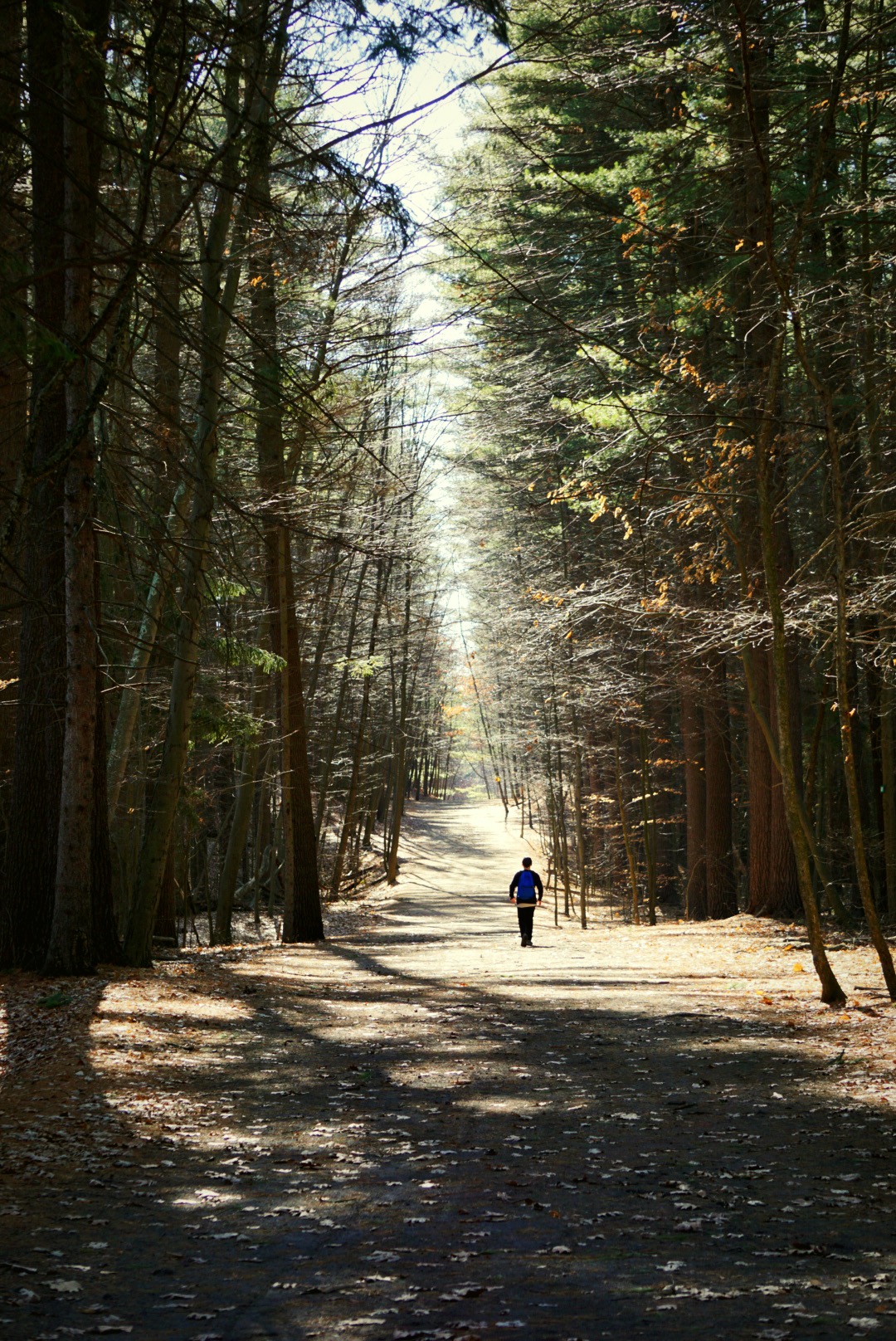
On Wednesday, at the height of our most recent snowstorm, I went out for a walk. There is nothing to calm the soul and settle the noise of the world like a walk in a snowstorm. The falling snow muffled the noise in my head and pushed me toward a greater focus, allowing me to think.

I have been working on clearing out my head space, so I can more confidently forge a path toward my goals. It’s a journey, though at times it tends to feel like a journey of a million miles.

The first step is to simplify. I don’t just mean simplifying my environment by sorting through the things I own. I mean working to simplify my approach to the goals I have set for myself—those known goals that I am purposely working toward, and those goals that will evolve and become evident as I move down this path.

I have decided my approach will be to Do One Thing. I will start with the first step. It might be a big step, or it might be a teeny-tiny baby step. But any step will be one step more than the last. After each step, I will re-evaluate. If the first step didn’t turn out the way I’d planned, I will try something else. Regardless of whether I step or misstep, I will Do One Thing more, and I will be moving toward my goal, taking risks, and no doubt, learning more about myself in the process.

Because if there is one thing I have discovered in life, it’s that it’s never too late to become who—and what—you are supposed to be.

Bread

My daughter was recently telling me about an experience she had at school. Her English teacher was talking about his experiences when he was younger. He told the students that there was a time when people started to realize that bread was not good for them, and bread companies almost went out of business.

“Can you imagine if that had happened?” he asked them. “There would be no bread anymore.”

“What do you mean there wouldn’t be any bread?” my daughter responded. “People would just bake their own bread.” Because that’s a simple solution.

But then she realized that her classmates were looking at her as if vines were growing out of her head and traveling down her back. “No one bakes bread,” they told her definitively.

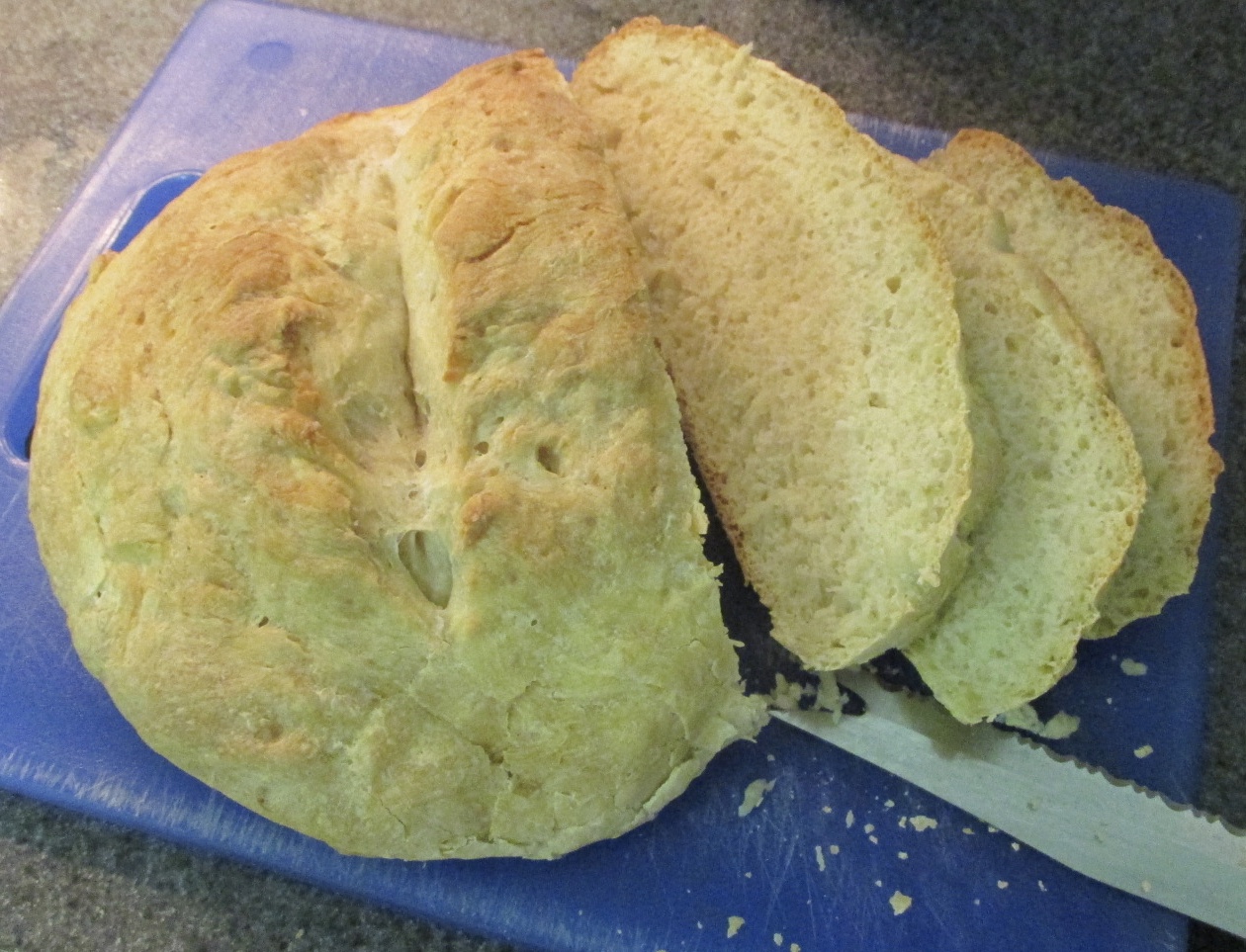
At that point, I imagine she shrugged, puzzled, and went about her business. She turned to a friend and quietly said, “My mom bakes bread all the time….”

That afternoon, as she told me the story, I could only chuckle. “I have to agree with your classmates. No one bakes bread anymore.”

This was one of those moments when my daughter realized that even though she might think our family is completely normal, maybe it’s not. And it was a moment for me to recognize that my kids might be a bit sheltered.

So what if my kids live a sheltered life? If “normal” means we don’t eat home-baked bread, I’d rather not be normal!