Happy New You

If you are looking for resolutions for 2018, if you are thinking about a way to improve yourself as we rush headlong into a new year, take a moment to think about the conversations you play and repeat in your head.

What do you tell yourself about who you are? What societal influences have you allowed to slip into your sub-conscious and become a part of who you are? In what ways have you lost touch with your true, authentic self?

Flush out all of the negative thoughts that make you feel you are not good enough. Move away from the constant pressure of social media and the “friends” you maintain there. Take some time away from the Internet to meditate and reflect on who you are and who you want to be. Do what’s necessary to find your true, authentic self.

That is where you will find your happiness and your best self this year and in the years to come. Happy New Year!

Periphery

I was driving home from a dance class this evening. It was rainy and dark and more than a little bit foggy. I was listening to a story on NPR about baking and bread and devising new recipes. The story had my attention because I hadn’t had enough dinner before I ran out the door, and I was hungry.

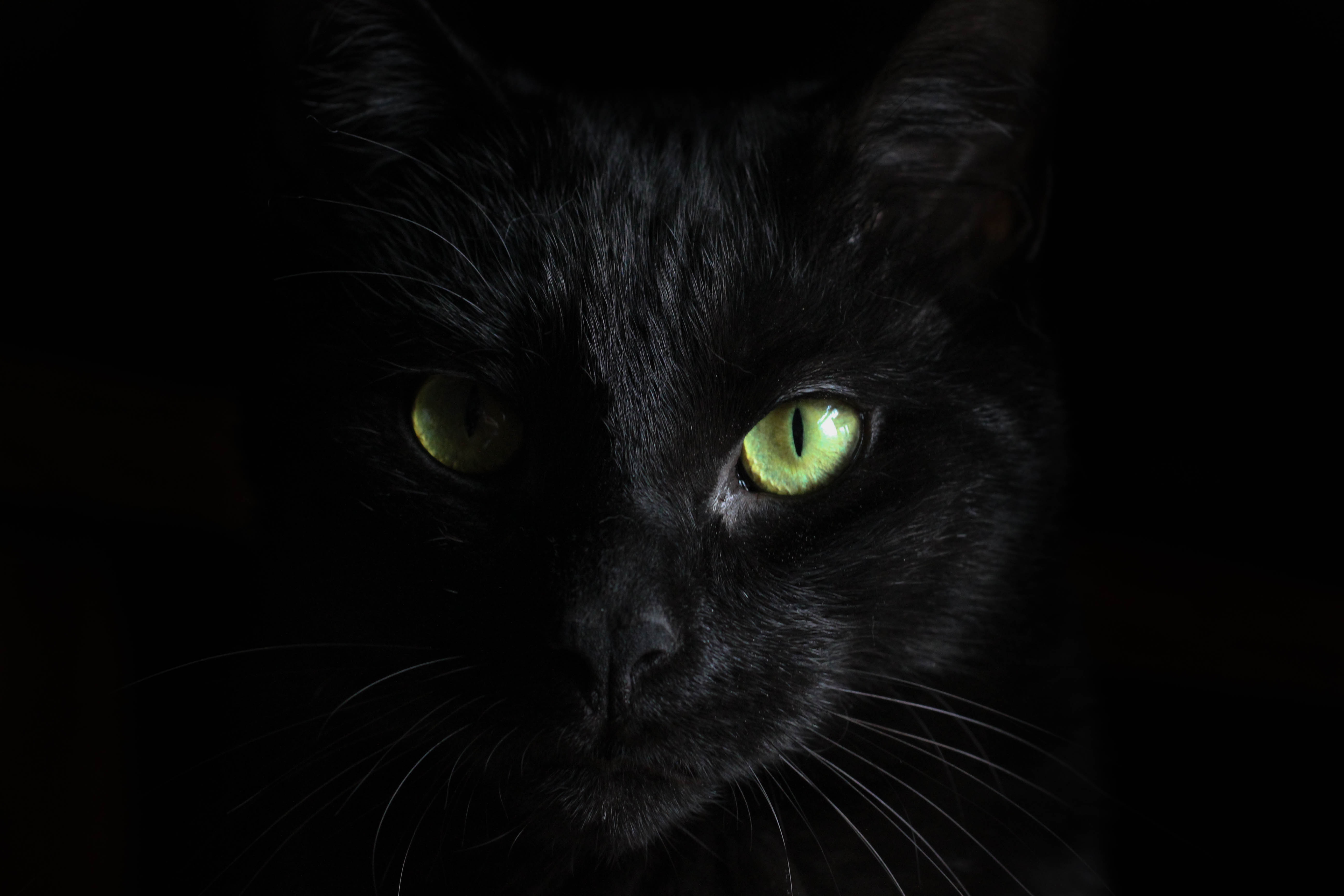
In the distance, a barely visible shadow streaked across the road in front of me, jolting my attention from the radio and from the task of driving. I strained my vision through the fog to discern what it was I was seeing. Was it a cat? It seemed a tad too large. Was it a fisher? It didn’t move in that awkward, uneven manner of a fisher. Or was it someone’s escaped dog? The figure was gray—barely a shade lighter than the gray of the foggy night—and I wondered if, in fact, I had really seen an animal dart across the road despite the clear sparkle of its eye.

But then my mind wandered to all of the things that are constantly playing at the edges of my consciousness. Just like the animal that had crossed my path, these things could slip by unnoticed unless they are given attention. A butterfly flits through the meadow on a summer breeze. A deer stands in the brush, munching on leaves and grass. A streetlight blinks and turns off.

But there are other things that hang out in the periphery, as well…. Ideas that aren’t yet fully formed, that are just beginning to take shape. Words that might have been spoken before the opportunity slipped away. Prayers that need to be said rather than kept inside.

Life has very few distinct edges. It blurs and frays and blends. The physical blends into the cognitive which blends into the spiritual in ways that are reminiscent of this evening’s fog. Our lives blend into the lives of others. If we relocate our attention, we might just shift our focus, our decisions, and quite possibly our reality. Imagine the possibilities.

{Photo by Hannah Troupe on Unsplash}

Snippets of Life

Memories of my life are filed away like index cards carefully placed in drawers, an ancient and ever-expanding card catalog of snippets of life. I can open the drawers, flip through the memories, and see the things that have brought me to this place—this point in time.

Different drawers contain different sets of memories. The good memories fill several drawers, and I can flip through them quickly, as if spinning a Rolodex, or slowly like I am engrossed in detailed research. When I look in one drawer, I can see my children toddling down the hall. There are first words, first steps, first days of school. I pause for a moment on an afternoon spent running around the front lawn, desperately trying to catch leaves tossed and blown on the wind. The giggles are as vivid in memory’s ear as they were that day.

If I work really hard, I can go back to memories of my own childhood: picnics on an old wooden bridge, dressing up for church on Sundays, holidays, and the occasion or two when I walked home from school in the middle of the day for lunch. There are memories of lessons learned, family time, and brief vacations thrown in here and there for good measure.

Silliness weaves through most of the drawers, knit into the fabric of my very being. Here and there, a memory will bring up the humor that my children often take for granted. It is an essential part of our family life.

There are memories I draw upon for inspiration. Times I was the definite underdog, but I persevered and met with success. Times I was on the receiving end of Mercy and Grace. Times when love and laughter were on my side as I worked through a challenge.

The not-so-positive memories are in a drawer of their own, lest I accidentally stumble upon them while I am surfing my pleasant memories. I don’t open that drawer much—I don’t need to. It is stiff and broken and hard to work. It doesn’t quite close all the way, and sometimes, the memories slip out, catching me when I am low, and nagging at the edges of my brain. These memories, they chastise me for… well, for everything. Not good enough. Not strong enough. Not thin enough. Not happy enough. Not. Enough.

And I work diligently to recover and move on as quickly as I can to another drawer. Because the catalog has never been a bad thing. It helps me to stay organized and grounded. And it helps me to move in a positive direction. The good memories outweigh the not-so-good memories. File away the “mistakes made” as lessons learned, and they suddenly become a necessary step in the process. Because every step and every misstep, every turn and every detour, every moment lived through every age is a tiny building block in the process of creating my life. The good, the bad, the happy, the sad, every card in my catalog… these are all lessons learned.

Community

On Monday, I had a conversation with my college freshmen about community and responsibility. This conversation came after we had viewed a documentary on extreme poverty—living on a dollar a day—and attended a presentation by one of the young men who was involved with the project. Despite the poverty in the community, the families were very close as they worked together to help each other and make a better life for themselves. Our class discussion revolved around the responsibility each person has and how our responsibility extends from family to neighbors to the larger global community.

On Tuesday morning, I was driving to work. I had just pulled onto the entrance ramp for the highway when everyone around me suddenly began to slow and then they stopped. I looked to the highway on my left just in time to see a car flip over and land on its roof in the median. I pulled over and put my car in park. I sat for a minute catching my breath and working to calm my nerves as I watched several people get out of their cars and run to the flipped car to check on the driver. Before long, all traffic had stopped in both directions.

[I will say, I stayed in my car. Unfortunately, while I remain calm under pressure and can deal with emergencies, I do not deal well with injury/blood/death/etc. These things cause me to grow faint and shaky, pass out and become completely useless to anyone who might need help. Knowing our limits—it’s an important part of self-awareness.]

Four or five people gathered around the car and helped the driver out and to her feet. They walked her gingerly away from the car, and went back to check that the car was empty of other passengers. At this point, I decided the situation was under control, and I slowly made my way around several stopped cars and drove to work.

There are times when I think we are on our own in this country. The sense of community and our responsibility to others gets lost in the craziness of everyday life. And yet, this incident was an example of the many ways we come together to help others in need. We are all here together, and when we most need help, others generally show up, We have a responsibility to our community—both locally and globally—and if we take the time to look around, we will see ways in which we might just make a difference.

Compassion

It’s a complicated world we live in, and it’s important that we stop dancing around some of the bigger issues that threaten our safety and our society.

Today, I received a lengthy and detailed email from some overarching authority at one of the institutions for which I work. This email discussed how to recognize and assist individuals in Distress, with a capital D. “Distress” was then broken down further into several categories: general distress, victims of sexual misconduct, those at risk of suicide or self-harm, and those who may be dangerous.

This last one—oh yikes! But true, even though it seems to hit a bit too close to home as we begin to dissect yet another mass shooting. I listen to the news as the sheriff says, “No one expects this…” even though we are all coming to expect this. I hear an official on ABCNews instruct, “We all should think about what we would do in this situation…” and I know that any plan I could make would be lost in the terror of the situation.

But for those of us who daily deal with vulnerable individuals on a personal level, it is important that we are familiar with the warning signs of Distress. It is important to know what hurt looks like; how pain manifests; and when anger crosses into danger. So I read through the email, and I will read it again to commit the details to memory.

To all of my family, friends, students, neighbors, acquaintances, past and present; to all the people I know only in passing… if you are in Distress, I am here, and I am listening. If you need to talk, I will hear you. If you need a shoulder to cry on, mine are strong and broad. If you need a hug, my arms are open. If you need to sit in the corner and cry without judgment, I will sit with you. If you need encouragement, I will cheer you on. If you need prayers, I will offer them up.

I know I am not alone in the offer of help. The world is full of caring, kind, compassionate individuals who will listen and be present. They are willing to lend a hand, give a hug, connect over coffee, offer words of encouragement, or say just the right thing to make you smile. If you need something, we are here. Please… speak up and let someone know. If we all work together, perhaps we can make this world a little friendlier, a bit softer, and just a touch less complicated.

Gratitude in the small things

It has not been a typical week here in New England. The week started with a wind storm, a power outage, and a day off from school. While we got our power back fairly quickly, others in town did not. Add to that Halloween, trick-or-treating that was postponed by a day because of the storm, and an approaching full moon, and I have to say a peculiar vibe has been simmering all week.

Last night, as I slipped into my daughter’s room to say good night, the heat kicked in for the first time this season. Well truth… I finally turned on the heat last night. It’s been so warm we haven’t really needed it. But last night, as I hugged her good night, the heater began its telltale tick-ticking as the water carried heat through the pipes. “Mmm,” she settled deeper under the covers. “I like that sound!”

Today, I’m thankful for the little things—the “normal” things—we so often take for granted: electricity, heat, and a comfortable bed.

Positivity Post: Helping out…

It was nearing lunchtime on a recent rainy day when one of my students appeared at my office door with a mystery that needed solving. She was breathless and dripping from her trek across campus. “Did I leave my jacket here last night?” she asked.

My memory completed a quick inventory of what I’d seen in the classroom that morning when I was cleaning up from last night’s late meeting. “I don’t think so, but we can check.” I stood and walked to the classroom door and flicked on the lights. A visual sweep revealed no jacket. “What does it look like?”

“It looks like this one,” she flipped up her hands, which were in her jacket pockets. “But it’s navy blue. I had it when I was tutoring, and I thought I brought it down here with me.” She sighed. “My ID is in the pocket.”

If you’ve been on a college campus lately—or had any contact with college students—you know that students need their IDs for pretty much everything—to get food in the dining hall, to unlock their dorms, to do their laundry…. This was serious.

“Do you remember when you last had it?” I questioned, taking on the diligent mom role, a role that seems to blend and bend into many aspects of my life.

“I wore it over when I was tutoring last night. That’s why I thought I might have left it in the meeting.”

Together, we went upstairs toward the tutoring room, but as I walked past the reception desk, I had a thought. “Hold on,” I said, stopping to check the drawer in the desk. The previous receptionist would sometimes put found items there for safe-keeping. The drawer was locked. “Not there, but let’s try the closet.” I opened the closed where we keep the mail, copy paper, and the receptacle for documents that need shredding. Two jackets hung from the rack, one of which was a navy blue windbreaker. “Is this it?” I asked, and her face brightened.

“That’s it!” she smiled.

I felt the pockets. “And your ID is in the pocket!” I handed her the jacket, and she left for lunch.

Now, I’m not saying it was my job to help this student find her jacket. In fact, it would have been very easy to send her off to find it herself. But it took less than five minutes out of my day, and because I know the building better than she does (and the places her “found” jacket was likely to end up), it made sense for me to help her. And the mom in me wanted to make sure she’d be able to get lunch….

A little kindness goes a long way, it seems. Not only did I help her find her jacket and ID, I scored some wins of my own. I gathered a few extra steps on my Fitbit, I had the satisfaction of making my student smile, and I was the recipient of her gratitude.

The next time I’m gong to send someone off to find something on their own, I might think twice. A little extra kindness goes a long way.

Encouragement

On a recent college visit, I was escorting my daughter across campus to the dining hall where she would meet up with the student who would be her “day host” for a class visit. As we walked, we passed by a post on which was taped a hand-written sign that said, “It gets better. I promise.”

I was struck by this sign because the truth is that life is a series of peaks and valleys and everything in between. When things are bad, they generally get better. We fight; we work; we pray; we cry; time goes by; and things get better. But a college student with less life experience may not realize this to be the case, especially when students are often told, “College is the best four years of your life.”

Newsflash: College is NOT the best four years of your life.

In fact, on that same college visit, I met with a professor, who was my professor when I was in college—about a gazillion or so years ago. Now, I haven’t seen this woman in a very long time. She looked at me and she said, “You look just like you did when you were twenty. But might I say, you look happier.” Her words prompted me to conduct an instant internal inventory that revealed that yes, I am happier than I was in college.

I tried to express my thoughts, “College… well, high school and college, really… they were tough times. Lots of social pressure and trying to figure out my identity and what I wanted from life.” And then we got to talking about kids today, the pressures they face, and the complications of social media in all its superficial glory. Truly, it was tough enough to grow up back in the seventies and eighties without the pressures brought on by social media. Is it any wonder so many young people nowadays suffer from anxiety, depression, and a whole host of other mental illnesses?

On my way back to the parking lot, I stopped and took a picture of the sign I had seen earlier. This sign is a message to all of us that whatever we’re going through… this too, shall pass.

And perhaps there will be one person who walks by this sign, and these words of encouragement might just make a world of difference. Whatever it is, it will get better. I promise.

The College Search – Tips

I spent last weekend looking at colleges with my daughter. Of course, it had been my plan to complete this process a bit earlier this time around, yet here we are, the fall of senior year, we’re ready to launch, and we are just finishing up our college visits. However, I do think we are in pretty good shape. Of the final three remaining school visits, one is a third visit—to sit in on classes—at the current first choice school; one is an “official” visit to my son’s college; and one is a school that was added to our list just this week. Once those visits are complete, we’ll stop visiting. But for those of you just beginning this process—no matter the age of your child—I have compiled a list of helpful tips.

Start Early. Let’s face it. High school guidance is not what it once was. I remember in my public school days, we sat down with a guidance counselor and developed a list of the colleges we should investigate. That list contained safety schools, reach schools, and several schools in between. Perhaps that is why I have helped my children to create lists of schools that run the gamut. And then we have taken the time to investigate each school and visit the most promising schools on the list, a time-consuming process that should be started in late sophomore or early junior year. Even in the fall of senior year, our list is changing, evolving, and constantly re-ordering.

Invest your time. If you pay attention on the tours, you will know where you will be investing your resources—both your money and your child. If I am going to invest a good deal of money in a school, I want to know about it. Recently, I was on a tour with another mother who was so busy texting that she was not at all focused on anything the tour guide was saying. I felt bad for her daughter, who will receive little meaningful advice from her mother, and I also felt bad for the tour guide, who was more than aware of this mother’s inability to put her phone away and offer her full attention.

Be an advisor in the process. High school seniors are still kids in so many ways. The decision of which college to attend is a big one. My kids have always attended the local schools and been with the same people. How do they know where they will be happy for the next four years? I can gently guide and suggest, and I can push them complete each step of the college process. I can pay attention to things we see and hear on the college visits, but most importantly, I can listen to what my child is saying and how he/she is reacting on our various campus visits.

Don’t be afraid to say the things your child needs to hear. I have been known to comment on the minimal endowment of a school and how that shows fiscal instability. I have commented on the glaring lack of students on a campus as well as inattentive faculty and staff. I have also been known to say, “That wasn’t the cleanest campus I’ve seen,” because maintenance is often the first area where cuts are made. As parents, we can spot problem areas that our children might miss.

Trust your gut (and teach your son or daughter to do the same). Every college campus has its own atmosphere and feel. When you walk onto the campus, you will get a feel for whether the school is a place you will be comfortable or not. The students, the buildings, the attitudes are all apparent, and they all reveal secrets. Pay attention. Feel the feels. If you don’t feel enlivened and comfortable with what you see, it’s probably not the school for you. Then again, if you look around and think, “I could definitely be happy here,” maybe it is your school.

Watch your step. And finally, a tip for the wanderer. If you decide to wander around a school on your own, be careful. Some doors will lock behind you. Those with a school ID can use it to unlock the doors, but those without may find themselves trapped in a hallway or stairwell they didn’t intend to be trapped in. I have no reason (at least not one that I will admit) to know this information. I will just say, trust me on this one. Check all doors before you let them close.

As I finish up my second time through this process, I am constantly learning. Next time, I’m going to complete the college search earlier, especially because my youngest has very busy summers. But also, I have a feeling the third time around—the last time—I might be able to get it right.

Simple Things

This week, it happened again….

One morning, early in the week, I was finishing up lunches and water bottles, preparing to send my kids out the door for their day at school. I usually add a few pieces of fruit to my water and my daughter’s, so we will have a hint of flavor as we stay hydrated throughout the day. I find if I put it in the bottom of the bottle before I add the ice, it stays out of the way.

Right now in New England, we are moving past our summer fruits. The berries and soft orchard fruits—like peaches—are not as readily available. Pineapple, various melons, and citrus fruits will become our go-to choices for the winter. On this particular morning, it was a few leftover strawberries combined with orange slices—a pretty tasty combination.

The minute I made the first cut into the orange peel, the zest sprayed out, filling the kitchen with its strong, distinct scent. This scent is one that speaks unmistakably of winter and holidays to me. On this morning, the smell brought me instantly to thoughts of Dad—the neatest orange peeler ever—and my childhood home; every year, just before the holidays, my parents buy oranges from a local high school citrus sale.

And suddenly, I began to wonder who might help Mom with the sorting and moving of her oranges this year—the boxes are bulky and heavy. And the grief came flooding in like a tsunami.

From that one simple act of cutting an orange, the week continued with moments of grief both intense and ephemeral. And on Friday, I walked out the door of my office building on a hazy, humid, and partly sunny day to a rainbow in the sky directly in front of me. It hadn’t rained, and the sun was struggling to shine brightly through the haze. And yet, there it was, a beautiful swath through the sky.

This grief thing… it can be a thorny path. But I’m becoming increasingly convinced that grief is not something to be overcome. Maybe, tucked in among the thorns, we find the beauty of the roses.

{Photo of oranges by Mateus Bassan on Unsplash}