Skittles and Logic

I took my son to the orthodontist today, and when we emerged from the office, I was thinking about dinner. Mac and cheese—just in case the teeth were hurting—and … well that was where I was stuck.

“Do you want broccoli for dinner?” I asked. “Because the only option I have at home is zucchini, but we can stop and get some broccoli.”

I know he’s not a fan of zucchini, so I was not surprised when he said, “I’ll take broccoli,” even if it meant a stop at the market. But when we got to the checkout, he also took a Three Musketeers and a package of Skittles. He’d already been out biking after school, and I don’t buy him candy very often, so I bought them.

In the car, he opened the Skittles. I held out my hand expectantly, but he just looked at me, feigning ignorance. I raised my eyebrows, my silent gesture for, I-paid-for-those-I-can-take-them-away.

“What colors do you like?” he asked as he dumped a small pile into his hand.

“Red, orange, and yellow,” I answered, turning my eyes back to the road, but leaving my hand out. He plucked three Skittles from the pile and placed them in my hand. Two orange and a red. I ate them while we chatted about the day.

As we got closer to home, I held out my hand once more. Again, he placed three Skittles in my hand, this time, an orange, a red, and a yellow. We listened to the political discussion on the radio. He chewed away on his candy, but he didn’t offer me any more, and I didn’t ask.

We turned into our road, and he read the nutrition information on the package. “Whoa!” he exclaimed.

“What?” I asked.

“There’s one serving in this package, and it’s 250 calories!” He seemed momentarily surprised; then he hesitated while he considered the facts, a characteristic glint sparkled in his eye. “But… I shared them with you. That means I only had 125 calories!”

I opened my mouth to say something. Something about the six Skittles I had eaten to his all-the-rest. But I closed my mouth. I’d let him have his faulty logic. At least this time.

{Image credit: FreeImages.com / Ryan Vinson}

Saturday Wanderings

hammock-1365743

Back when he was in fifth grade, maybe sixth, my son created a simulated Black Hole for a project for science. Now, this was not just a table-top diorama. No. When my kid creates a Black Hole, it is going to be a big one.

He thought long and hard about how he would complete this project. On Amazon, he discovered that he could purchase a large sheet of black lycra. He set about to create a frame for the material, and he used PVC pipe and joints.

Actually, the finished product was pretty impressive. He carried it to school unassembled in his sister’s duffle bag. When he put it all together, it was three feet tall and four feet from one side to the other. His teacher was impressed. But as impressive as this project was, it is not the point of this blog post.

Fast forward to this past fall. The large sheet of lycra had been hanging around my house for awhile. We all knew it belonged to W, but it was in the living room; it was in the bedroom; it was in the basement. It really hadn’t found a home. After it had kicked around for too long, W picked it up one day and said, “Do you think I could make a hammock out of this?” And the next thing I knew, I had a hammock hanging from the beams above the ceiling tile in my basement. The best part was that the ceiling tiles had to be pushed aside to make this work.

But then he decided he wanted to make it into a real hammock rather than just a piece of lycra tied to some rope tied to the beams. He spent the better part of a day pleating the material and stitching it together on my sewing machine. The parts that were too thick—where he looped the lycra over and connected it to the rope—were sewn by hand. His newly reconfigured hammock passed the basement test with flying colors.

So last weekend, he took the hammock on a camping trip to test it out for real. Yes, it is February, which means that here in New Hampshire, it is the middle of winter. Personally, I am not sure if I would rather sleep on the frozen ground or in a hammock at this time of year. When I was discussing this issue with my daughter, she had the same first response I had. “Bridges freeze first!”

(And that, my friends, is a clear indication that if nothing else, my daughter learned one important fact in her Drivers Education class, and it is one that she will never forget!)

The argument on whether it’s warmer to sleep on the ground or in a hammock (if you must sleep outside in the dead of winter) is still out for debate, but here’s what I did learn. Getting out of a hammock in the middle of the night in the dead of winter to use the latrine is not too much fun.

[Image credit: FreeImages.com / Orlando Alonzo]

Blurring

fullsizeoutput_2aee

Sometimes, I have to wonder. My children—even as teens, or maybe especially as teens—tend to shed their belongings as they walk in the front door and through the house. The shoes are the first to come off onto the boot tray. Then the backpack, landing on the floor by the chair. The jacket is sometimes hung up, but usually ends up thrown on the back of a chair or on the table. Sweatshirt, sweaters, hat, socks, etc. As my children shed these items, they get dropped along the path. It’s a blur of doors and limbs and kids and belongings.

At the end of last week, I had just returned home from work. I emptied and put away my lunchbox, and I made my way up to my room to change from my work clothes before I made dinner. As I raised my foot to step on the first stair, I heard, “Don’t step on my shirt!”

What? Ah yes. Someone had dropped a shirt, right there in the middle of the bottom step.

Perhaps the problem is not really me stepping on the shirt. It seems, the problem might be more about the shirt being in the middle of the steps where it doesn’t belong. Just a thought.

Creative direction

fullsizeoutput_2ad5

Creativity comes in many forms in my household. I have the creative writer who develops fictional worlds, populates them with characters of his making, places those characters in impossible situations, and then writes them out of (or deeper into) those situations.

I have the visual artist who recently used her artistic talents to explore mental illness through drawing and painting. She used both color and black and white images and some 3 dimensional work, as well. The resulting pieces will be added to the portfolio she will use as she applies to colleges in the fall.

And I have the science-minded engineering type who uses computers, 3D printers, electronic components, and the tools of engineering to create and develop the ideas that populate his brain on a daily basis.

None of these forms of creativity is any better or worse than the other. My children have discovered the tools and materials that intrigue and inspire them; they started from the same general place—creativity—but they have gone off in completely different directions. And I must say, it is fascinating to watch them develop their skills day by day.

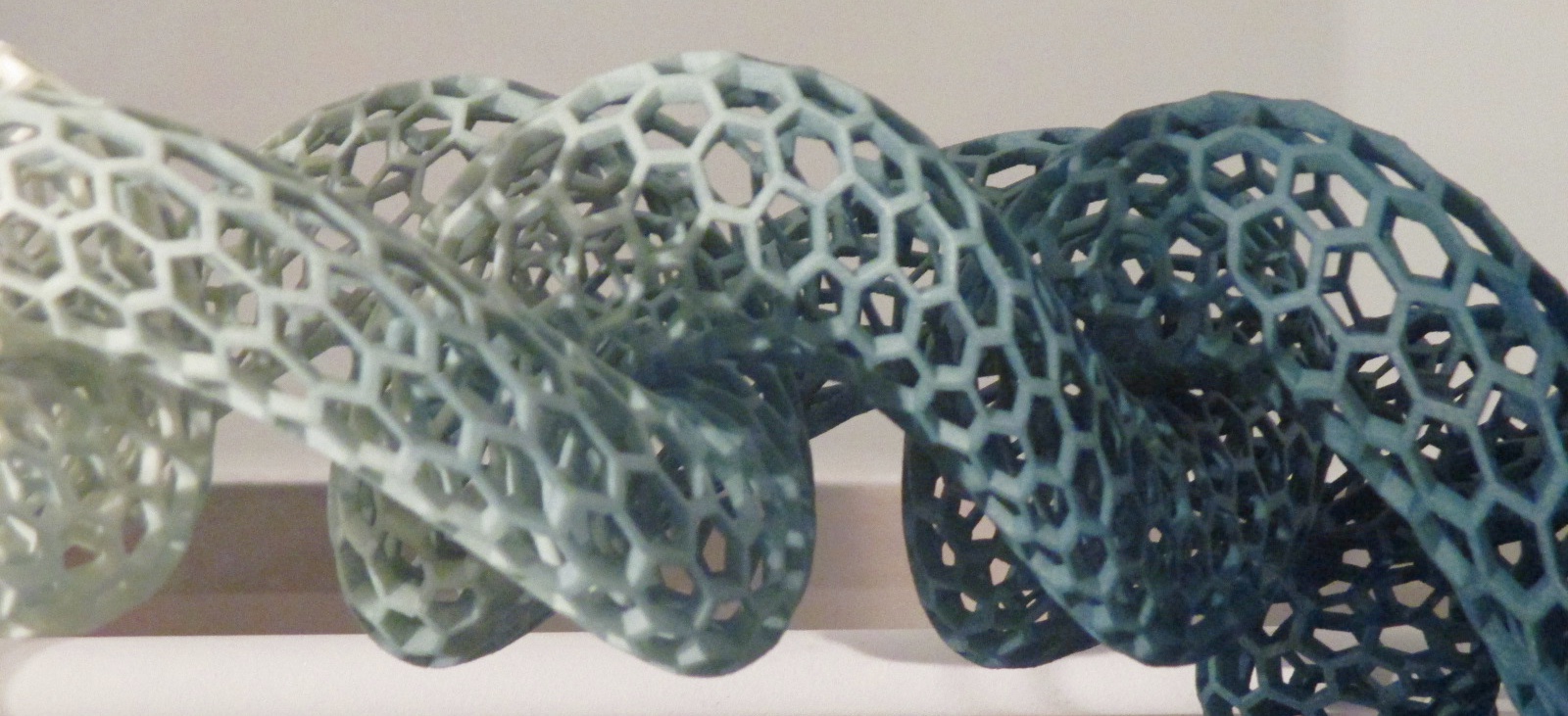
For Christmas, I gave Himalayan salt lamps to two of my children. For my birthday, my son created a small lamp for me. Using the salt lamps as inspiration, he designed the “crystal” and created it and the base on his 3D printer, completed the wiring, and assembled the whole thing. I had no idea that he was doing this until I opened it.

Creativity… it’s an interesting concept that manifests differently in everyone. If we really look, we can recognize it as a trait every individual possesses. Personally, I like the way creativity shows up in my house.


The Process of Learning

fullsizeoutput_2a10

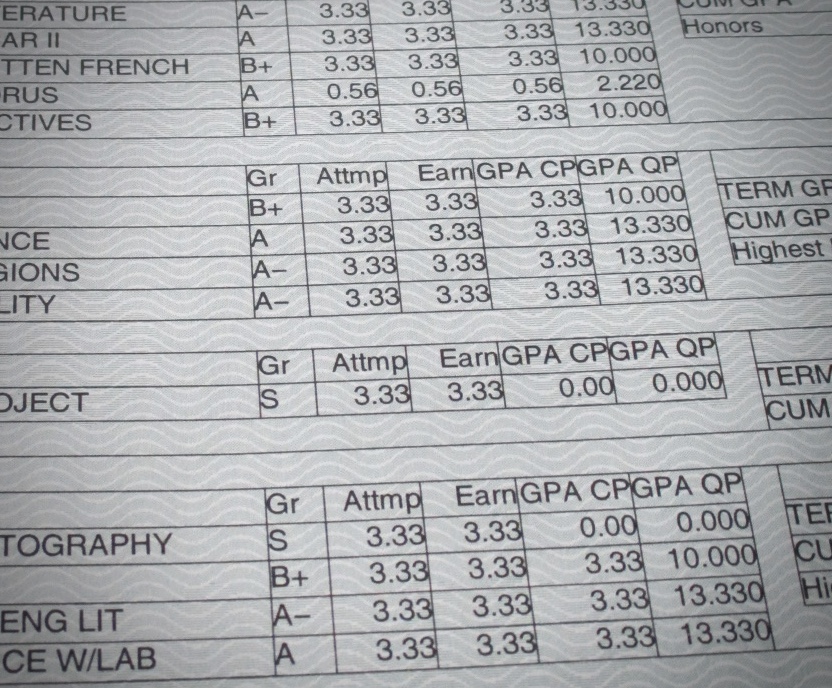
At dinner recently, my children mentioned the struggles some of their friends face with their parents. They recounted stories of friends who are grounded for having unacceptable grades when their parents check their Powerschool account.

Ugh, Powerschool. For those not familiar with academic technologies, Powerschool and other similar online grading tools can be valuable for checking on grades and making sure your child is on task, and also allowing them to adjust their studying and homework as necessary before grades close. But this type of technology can just as easily be abused as a micro-management tool.

When I was a student in high school (as with most parents of teenagers today), my parents saw my grades at the end of each quarter when I received my report card. Between report cards, I had the choice of what I would share with them and what I wouldn’t. If I chose not to share an “oops” grade, I had to be pretty certain that I could bring up my grade in that subject before the end of the marking period; and not sharing a bad test grade would give me extra drive and motivation to do so. Nowadays, parents can see grades along the way. Every day, if they’d like. Every. Single. Grade.

Here’s the thing. Learning is actually about growth, not grades. Learning is a process—one that we hone over time—that is sometimes successful, and sometimes not so much. The process of learning requires constant revision and self-evaluation.

Grades are part of the process of learning, and can help students with the self-assessment and re-evaluation necessary for improvement. Grades are not merely a product of the learning process, as people often think.

I work with college writers on a daily basis, and by the time students come to my office, they are already focused on the grade they will receive and not on the process of improving their writing. Very seldom does a day go by when I don’t say to one student or another, “Writing is a process.” Students want to focus on the product—the final, graded draft—and be done with it. But it is a rare writer (at any level) who can write a quality, finished essay the first time around and not have to go back and revise.

Overall, learning is a lot like writing. As students learn more challenging material [or learn a different subject matter … from a different teacher… in a different textbook or context], they have to put into practice what they know about learning, the subject at hand, and their past experiences, all while they constantly adjust their process to fit the situation. What worked last week for one bit of material might not work as well this week. A poor grade on a test or quiz will alert the self-aware student to what is not working, and will allow that student to re-evaluate and revise what he or she is doing.

Come to think of it, this is a lot like life. We are constantly editing and revising; we are examining our approach and making adjustments—fine-tuning, if you will. If we, as parents, don’t step back and offer our children some space to figure things out and some room to grow and examine their own performance, we are teaching them that learning is about the product, in this case, the grade. This parental approach to academics does a grave disservice to our children. Not only are we hijacking our children’s learning process to get the result we desire, we are teaching them that the grade is more important than fostering the innate intellectual curiosity and creativity that comes when they follow their learning in a direction that is of interest to them.

When children are conditioned to only look at the end result—the grade—the fear of failure can become paralyzing. And more than likely, children in this situation will learn not to take risks, but to take the “safe” path. Learning how to deal with failure, on the other hand—how to bounce back from a low essay grade or a bombed test—is a far more effective life lesson than learning to be afraid of failure. They also begin to realize that failure is an integral part of the process.

My son recently completed his first semester in college. For the first half of the semester, he struggled with one particular class—it was a subject he had never studied, and the professor had a well-earned reputation for being tough. In the end, my son received his lowest grade of the term in that course. However, I believe that grade was the one he was most proud of because he learned more about the process of learning, approaching the academic rigors of college, and self-advocacy from that class than he did from all of his other classes put together.

If I were to give advice to parents, I would say, step back. Give your children some room to fall while they still have you there to guide them and help them navigate the rough waters they encounter. Without a little room to figure things out on their own, not only will children have no motivation to get up when they fall, they will not learn how to get back up—to recover from setbacks and move forward.

Let your children stumble so they can assess and reassess and redirect. Help them to learn the important lessons that lead them toward resilience. Now, more than ever, our society is going to be looking for people who can not only face setbacks with grace, but can help others do so, as well.

Saved by Strangers

IMG_1369

Many people have stories of strangers who seem to materialize out of thin air just when they most need help. And once the strangers have provided the necessary assistance, they disappeared just as suddenly. In fact, this once happened to me.

My story happened many years ago. I was working in a boarding school, and since I lived in a dormitory, I would often take students on shopping trips or outings. This particular weekend, I had promised a group of students that I would take them to see a movie on Saturday evening.

Initially, Saturday was a clear, cold day. However, by the time evening started came around, it was snowing. Hard. The storm was not supposed to be lengthy—only a brief snow shower—but its poor timing could affect our trip.

The four girls I was taking to the movies were keen to get off campus, and I was much more adventurous in my young adulthood. After much back and forth, we decided to set out on the trek to the cinema, knowing that we could always turn around if the roads were bad.

As I drove, the falling snow obscured my vision and ensured I maintained a crawling pace. The roads were covered in a deepening layer of snow, but I inched along. Few other cars were on the roads, and the only light was that of my own headlights as we continued on our journey.

We were nearing the intersection of the main road (which I knew would be clear) when my slow-moving vehicle hit a patch of ice and for a brief second, the car would not do anything I wanted it to do. I tapped the brakes and turned the wheel, but the car’s momentum took it in a direction I did not want to go. The car swerved off the side of the road and continued into a small ditch where we came to a stop with a jolt.

I took a deep breath. “Everyone okay?” I asked, as I ran through the list of possible ways out of this mess. Back then, there were no cell phones, so calling for help was not an option. No doubt, there would be some walking involved on this very snowing, rather dark night, and I had the sudden realization that sneakers might not have been the best choice of footwear on a snowy night.

I said a silent prayer, and in the rear view mirror, I saw the headlights of a passing car, the first I had seen for several miles. The car slowed and stopped. Several young men got out and approached my vehicle. I rolled down the window and in the rearview mirror, I caught a glimpse of the surprised expressions of the girls in the backseat as they looked at each other.

“You need some help?” one of the young men asked.

“I guess I kinda do,” I replied, as I put the car in reverse. The young men surrounded my vehicle, and I pressed the gas pedal as they pushed it up and out of the ditch. In just a few seconds, the car was freed from the ditch and back on the road. The young men ran back to their car.

“Thank you!!” I hollered after them out my still open window. Their car passed me and disappeared in the still falling snow. I closed the window and continued the slow trek to the main road.

The teenage girls in my car were amazed. “How did you do that?” one of them asked. “No sooner did you go off the road then a whole car full of cute guys arrived to push us out!”

Indeed, one could say we were very lucky that night. But I’d like to think there was a bit more to it than luck. Divine intervention or no, that night showed me the amazing way our lives all work together for the greater good.

Snow day with a side of snark

img_2691

Monday was a snow day in our school district, the first for the school year, and an early one, at that. Despite the fact that a day off will have to be made up at the end of the year, I must say, it was a welcome break at this busy time of year.

Throughout the day, it seemed my daughter’s mood was fueled by the energy and anticipation that pre-Christmas snow days can bring. I was folding her laundry when I realized I once made a sweater very much like one she had in the wash. I dug it out of the cedar chest and brought it to her room. I let her know that I made it when I was in college, and asked her if she would want to wear it.

“Sure,” she responded, taking the sweater from me and holding it up to examine it. “It’s perfect! I have an ugly sweater party on Friday, and I can wear it!”

“Um…” I started, reminiscing on the January term that I had painstakingly knit the sweater in question, placing each stitch of the Fair Isle pattern in exactly the right place. And now it was considered an ugly sweater? She looked up and saw my expression.

“I don’t mean this is an ugly sweater,” she back-tracked. “But it would work for the party because it’s in the style of an ugly sweater. There’s a difference.” This last bit was said as she turned to walk back into her room. No doubt so I would not see her silently laughing.

Her snark-streak continued after lunch, when she asked if she could eat one of the Christmas cookies I had just made, my famous snowman cookies. These cookies end up dispersed among family and friends, so I tend to be a bit stingy with them. “You can have one of the ugly ones,” I told her. “Pick one that’s cracked or deformed.”

She looked them all over. “Don’t worry,” she assured me as she selected a cookie. “There are plenty of ugly ones here.” Indeed.

Still later, I was coming up the stairs from the laundry. I had been singing made up songs that probably were a bit crazier than I thought. “Hey Mom…. Oh, never mind, that wasn’t going to come out right,” she said as I entered the living room.

“You’ve spent the day saying things that didn’t come out right. You may as well just say it,” I coaxed. It was actually a challenge, but she didn’t know it.

“I was just wondering, is it ever too early to put someone in assisted living?”

“Oh my. So I’m going to assisted living already?”

“I’m not planning anything. I’m just preparing. In case you might be going crazy….” Her voice trailed off. “But don’t worry. I’d take care of you at home before I put you in a facility.” She smiled that sweet smile that let me know she was going to do whatever she needed to once I had slipped into the depths of crazy. It’s always nice to know your kids have plans to keep you safe.

I wish I could say that was it for the day, but it was not. After dinner, I prepared for my tap class. I was talking to myself as I walked through the kitchen, saying how much I loved tap and how happy I was to be going to class. But then I stopped. I looked right at her, and I said, “But no worries. I would never dance on stage, like in the recital. I would look ridiculous, and nobody wants to see that.”

Her eyes narrowed as she considered my words. “I think you should dance on stage, Mom. Everyone would watch you, and they would see how much you love it. They would be so happy for you.”

I might have thought that was a very sweet thing to say. But as teenagers too often do, she continued down this road, one she should not have traveled. “They might be laughing, Mom, but they would be laughing with you, not at you. Because you just said you know how ridiculous you would look.” And again, the smile.

Ah, life with teenagers. If you ever have a moment when you think you might actually feel good about something, just wait. One snarky comment, and they will humble you in an instant.

And if I am perfectly honest… I wouldn’t want it any other way!

[Image is the “ugly” sweater in question]

The Cactus

img_2681

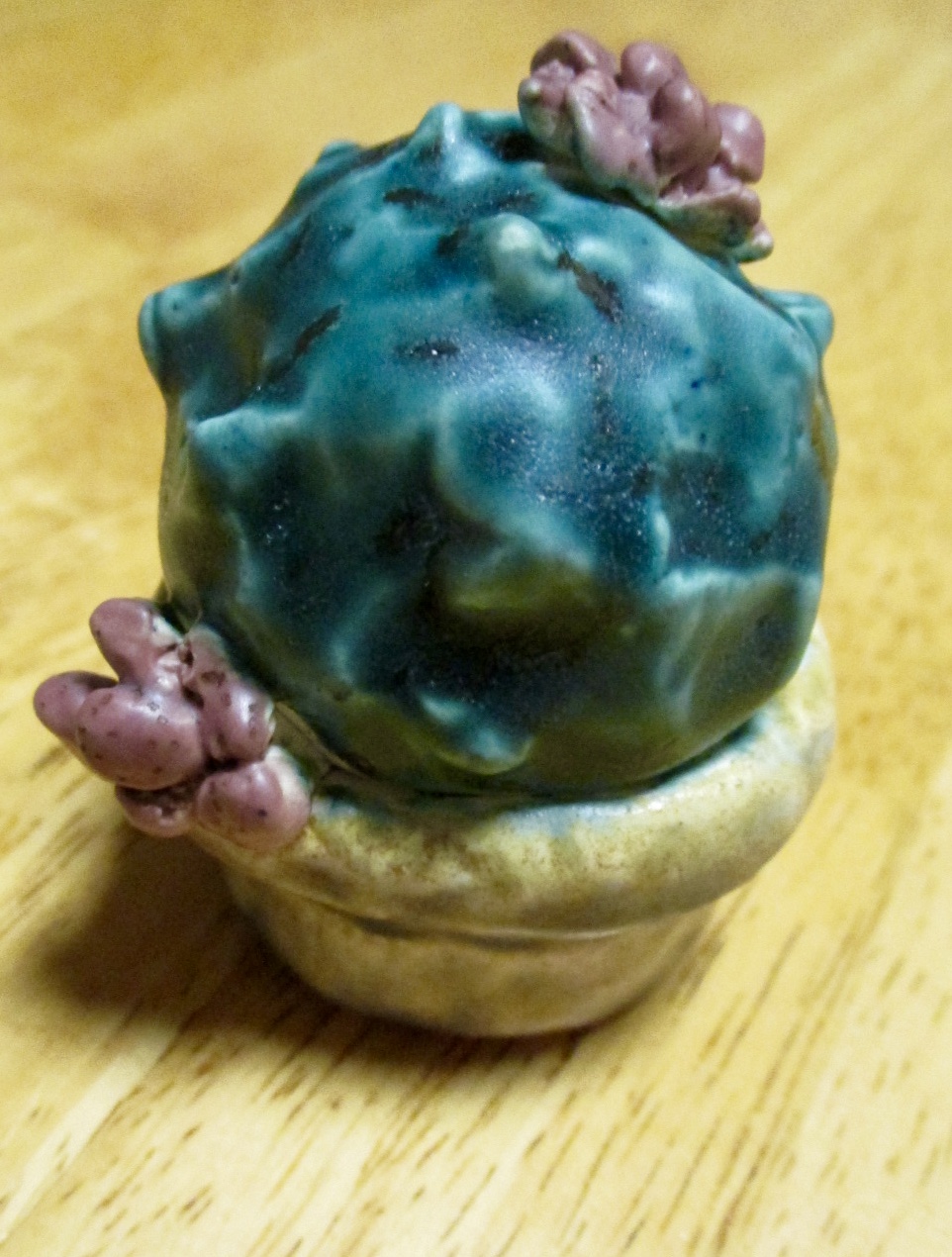
Tonight at dinner, my daughter went running up to her room and came back to the table with something in her hand. “Here,” she said, thrusting it into my hand. “Do you like my cactus?”

Over the past year or so, she has developed a love of succulents. I’m not exactly sure when this happened or why, but slowly, the plants began to disappear from the windowsill in the kitchen and reappear on the windowsill in her room. I noticed that some smaller pots were materializing, and shoots had been taken from the plants of mine that hadn’t yet made the trek up the stairs. [I am really hoping she doesn’t decide she needs some of my Christmas cactus in the next few days because it has just started to poke out some teeny tiny bud-lings….]

I examined the ceramic cactus in my hand. It was “growing” in a pot that almost looked like a wicker basket. The plant had understated spikes that gave the green ball a distinct cactus look. And the cactus bloomed with two dusty pink flowers.

“It’s beautiful!” I told her when I had finished my inspection.

“I made it,” she told me.

“No you didn’t,” I responded, only partially convinced by her words.

“Yes I did. It came out of the kiln yesterday.” And then she turned it upside down, so I could see the bottom. “My initials,” she pointed out.

Indeed, the bottom indicated that the piece was handmade. And it was beautiful! She just started taking a pottery class at school, this year. I can’t wait to see what else she brings home!

Brain transplant

img_1986

Sometimes (actually, often), we have some unusual conversations in our family. The other day, I got in the car with W, and as I settled in to drive, I felt a twinge in my knee. “Ooo, my knee hurts,” I commented, mostly to myself.

“Is that from when you fell?” he asked, and I nodded. Back in January, I was pumping gas, and I attempted to step over the loop of hose between my car and the gas pump. Bad idea. The hose tripped me up, and I fell, my left knee taking the brunt of the landing. Let’s just say after the embarrassment, the tears, and the initial pain, I had recovered, but my knee… it was slow to heal.

“You should probably get that checked before you have to get it replaced,” he said in his fifteen-year-old matter-of-fact way. “I know someone who had one replaced.”

“I know someone who had two replaced,” I bested.

“You know those cars that have so many parts replaced they are practically brand new?” he asked, taking the conversation in a related-unrelated direction.

“Yeah. Can you do that with a human? Replace so many parts and organs they become a ‘new’ person?” I chuckled at the thought.

“That would be weird.” He looked out the window, and that was probably my cue to stop the conversation. But I didn’t.

“What about a brain transplant?” I ventured. “That might make someone a new person.”

“They can’t do that.” He went for the logical, but I wasn’t having it.

“But what if they could?” I pressed. “You would be a new person. You might not even remember who you were; you wouldn’t recognize your family or your friends….” I tried to think about the multitude of dilemmas presented by this type of major operating system transplant.

“You’d have someone else’s memories and thoughts,” W started to engage, but then stopped. “But they don’t do that.”

“Maybe it wouldn’t really be a brain transplant.” My mind was working overtime as I tried to wrap my head around this concept. “Maybe you’d wake up and say, ‘Oh look! I got a new body!’ For the person whose brain it was, it would be a body transplant.”

Oh my! I believe I’m thankful they haven’t figured out how to do this type of surgery. At least they haven’t figured it out yet….


Leading

img_2588

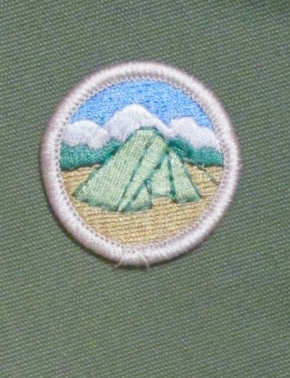
My son is off on a camping trip this weekend. And from what I hear, he may be scaring some of the younger Boy Scouts and Webelos who are in attendance. I think he would call it … leadership skills.

When the boys are starting to settle in for the night, my son will walk around to the young Scouts, approaching those who have chosen a top bunk.

“I see you’ve chosen a top bunk,” he will say to them matter-of-factly.

“Yup,” they will mumble as they burrow themselves deep into their sleeping bags. “Top bunk.”

“The first time I came here, I thought I was cool and chose a top bunk, too.”

And then he goes on to tell them that back when he was a Webelo, he attended this very camp out to this very location. And because he was young and … well, inexperienced … he, too, thought the top bunk was a good idea. And it was… at least, at first.

In the middle of the night, the slippery vinyl of the camp mattress had an argument with the equally slippery nylon of his sleeping bag, and the combination tossed him out of bed and onto the floor. And the floor was far, far below the top bunk.

The resulting impact awakened everyone else in the cabin. In the middle of the night, such a sudden and unexpected noise sounded like a freight train slamming into the building. (I was not there, but I was told). And the poor kid ended with up a concussion that lasted far longer than the thrill of sleeping in the top bunk. Actually, it was a pretty tough couple of months, but that’s a story for another day.

When my son is done telling his story, some of the younger scouts will change their original choice and move to a spot that’s closer to the floor just in case. But some of them will stay right where they are. And my son can retreat to his own bunk (a lower one, of course) with the peace of mind that he has done what he can.

Because sometimes we lead by example. And sometimes, it is far more effective to instill a little fear and lead by sharing your own hard lived experience.