Blooming

DSC_0903

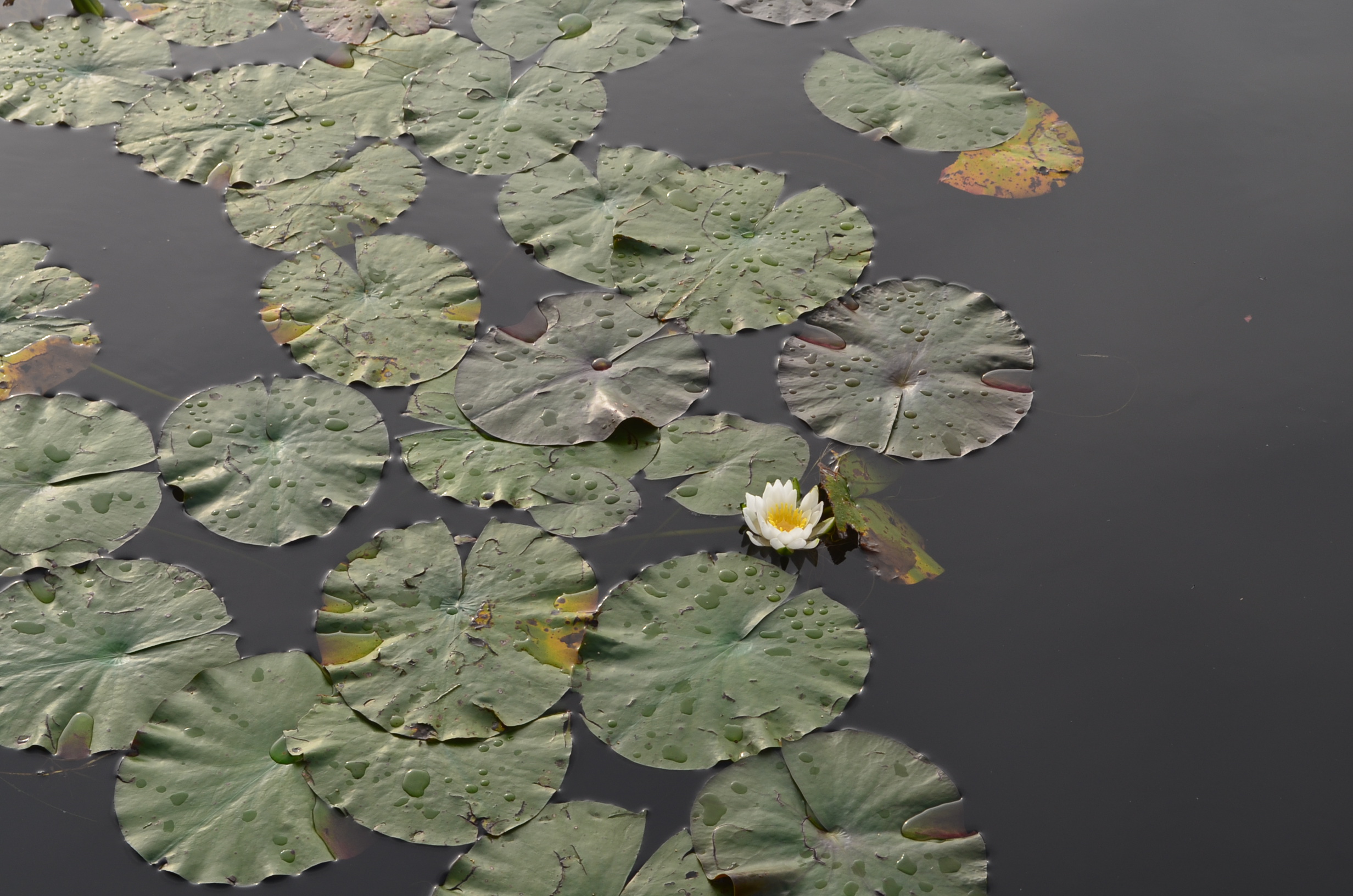
At my son’s high school graduation, each of the graduates was given a white rose before the ceremony began. Each student—all 300-something—walked in carrying his or her rose, though it seemed instruction as to the best way to carry that item in a procession was missing. It was, however, a nice touch.

After a two-hour ceremony in weather that alternated between cool, hot (for about 5 minutes), and windy, the rose that was handed to me by my graduate was limp and wilted. It seemed as though it might not be salvageable, especially after we spent another half hour or more taking pictures and further ignoring it. I had a vague thought that if I put it in water, the bud would continue to droop on a stem grown weak from mistreatment.

But I am a sucker for beauty and for living (and once-living) things. So when I arrived home, I gave the rose a bit of TLC. I clipped the bottom of the stem, stuck it in a vase of water, and placed it in the center of my kitchen table. In the next hour, it began to take on new life. First, it grew a bit less droopy. The petals stuck out in awkward directions as the bud began to right itself while it took in nourishment. It wasn’t long before the bud seemed much happier.

I left the house for a while to attend a graduation party, and when I returned, there were bits of torn leaves littering the table around the base of the vase. “Which one of you has been eating the leaves off the rose?” I scolded the cats. “Knock it off!” I moved the vase to the kitchen counter because I am delusional enough to believe my cats do not frequent the counter tops.

In the middle of the night, I was awakened by a thunk and an additional strange noise and then nothing. I fell back to sleep and quickly forgot about the disturbance. When I went downstairs in the morning, the vase lay on its side on the counter, and the rose was on the floor beneath, lying in a puddle of water.

Sighing, I clipped a smidge more off the stem, and once again placed it in the water. This time, I snipped off the leaves since that was the part the cats found most appetizing.

Since then, my son’s rose has bloomed beautifully, even growing shoots with fresh new leaves where the old ones had been snipped off the stem. This rose has become a fitting symbol for the life to come for my graduate. Sometimes, things don’t go smoothly. We may be weakened by the experiences we withstand. We may face adversity. We may be torn down by those around us. But through it all, we learn that we are stronger than we might have thought. We learn to gain strength from our trials. We learn that growing in new directions is always a possibility. And we learn how to let our inner beauty shine through it all.
Few Words

My son is on his school’s annual 8th grade class trip. He is my youngest. He is the third child to go on this class trip. And he is the child of the fewest words.

My first child FaceTimed with me from the long bus ride from our town to the 8th grade destination. It was the day after his birthday, and I had sent cookies on the bus. Likely, there were not enough cookies for everyone on the bus, but he had a lot of cookies. And he wanted to show me all of the fun they were having on the bus.

My second child texted me at various times throughout the day as she endured the long bus ride. Endured is exactly the word I would use. She hates traveling, and she hates sitting in confined spaces for long periods of time. She texted me any time she felt she needed support or distraction.

My third child would likely not have any contact with me whatsoever from the moment I dropped him off until the moment he had to climb back in my car for the drive home. When he left, I reminded him that he had his cell phone and charger, and one quick text at night would let me know that he was still alive and with his school group.

So tonight, I texted him: “Did you have a good day?”

His reply: “yes.” Did I mention that he is a kid of few words?

“Anything exciting happen?” I tried again.

“No.”

Okay then.

Tomorrow, I will ask him about food. That subject should get the attention of any teenage boy, shouldn’t it?

IMG_1459

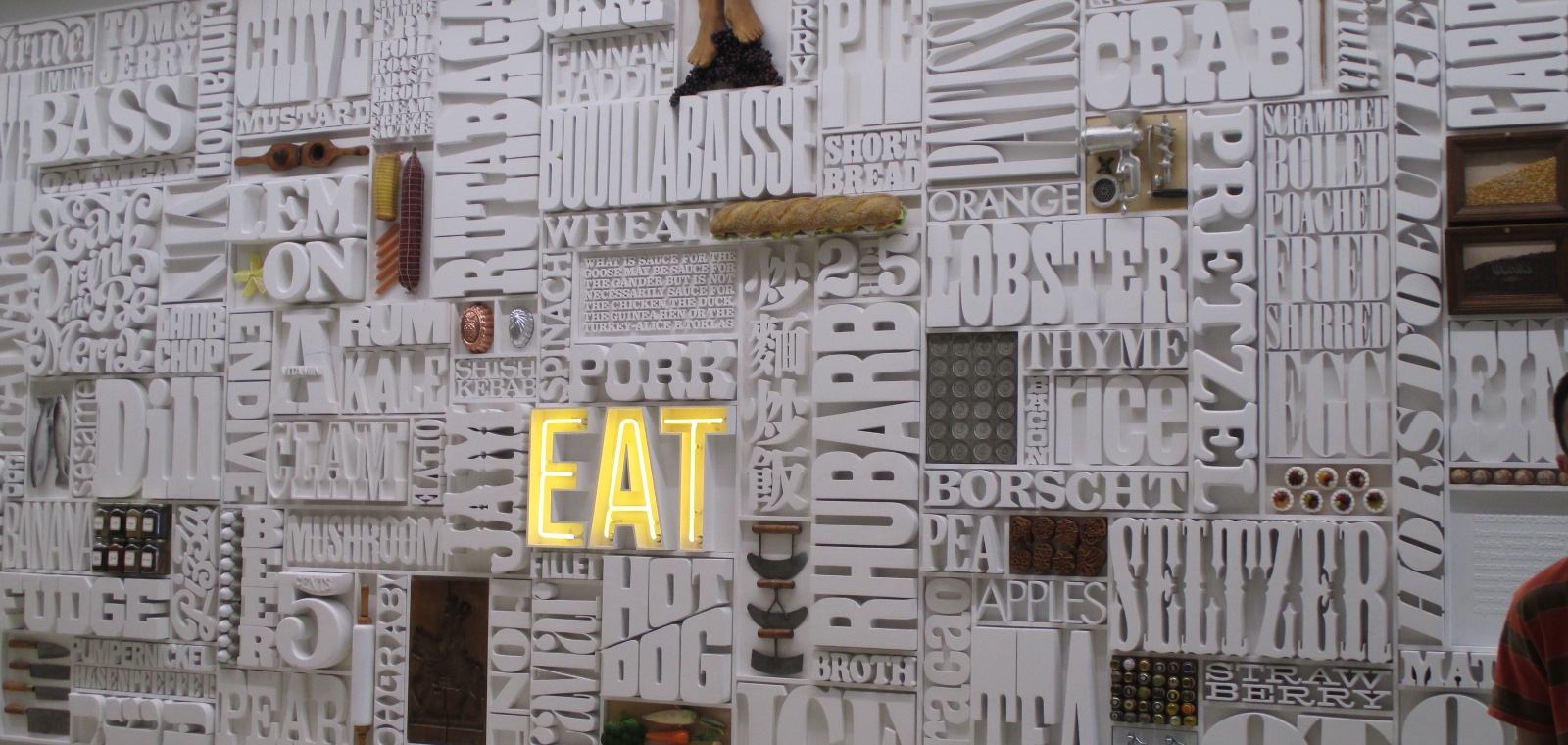
*Image is a photo of word art at the Culinary Institute of America

Lyme Awareness #2

When I was diagnosed with Lyme disease, I was thrust into a world that was far from the medical world I was used to—the one in which doctors listen to patients and generally have at least a marginal degree of respect for the patient’s symptoms. This new world seemed completely upside-down. Before long, I started to think I was in the twilight zone of some alternate reality.

In those early days, I read and researched and learned as much about Lyme as I could. I contacted friends who had fought this battle, and I met with a Lyme patient advocate. Through my research, I realized what I was up against. Lyme and its treatment are very controversial, and the mainstream medical community will wash its hands of you in a mere 28 days, saying they have done their job. The problem lies in the fact that many cases of Lyme do not respond to the 28-day cycle of antibiotics recommended and approved by the CDC.

Halfway through my 28 days, I knew I still had symptoms of Lyme. I was fairly certain that this relatively short course of antibiotics wouldn’t do the trick to cure my Lyme and whatever coinfections lurked, as yet undiagnosed, in my body. By the time I met with my doctor again, several days after my antibiotics were gone, I still had fatigue, brain-fog, and a host of other symptoms. I remember asking, “What do we do now?”

“We wait,” she responded. “Hopefully, you are fine. If not, you have what’s called post Lyme syndrome.”

I’m sorry, post Lyme syndrome? Are you kidding?

True story: if something doesn’t go away and it’s still present, it’s not post- anything. I immediately started my search for a Lyme literate practitioner. I booked her first available appointment—in five months! Luckily, I was able to get in on a cancellation after only two. At that point, my blood tests were still positive for active Lyme.

If you are struggling with this disease, you are not alone. Together, we will get through this. Through our struggles, we will improve the way Lyme is diagnosed and treated.

IMG_2168

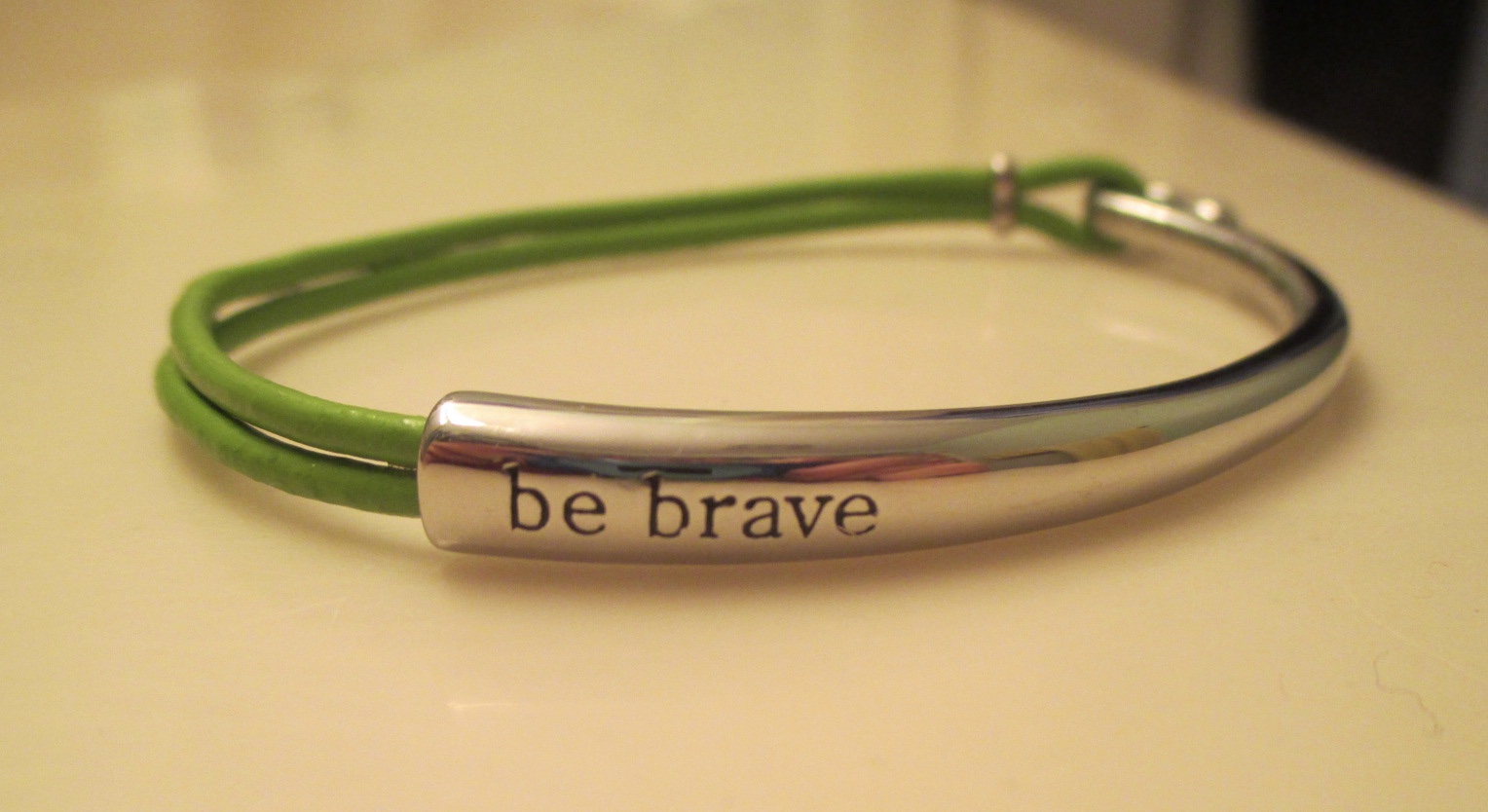
[Image is a Lyme awareness bracelet from Bravelets. They will donate $10 from the sale of each bracelet to the cause of your choice.]

Teens and Hints of Adulthood

13001199_1733344030236939_1103181138293098902_n

Twice in the past week, I have heard about a teen who has been kicked out of his or her home at 16 or 17 years old, essentially (in the parents’ mind) “aging out” of the need to be sheltered, nurtured, and—no doubt—financed. In one case, the individual came home from school on his sixteenth birthday to find his belongings outside the house, the locks changed, and a note on the door saying, “You’re 16. Get your own d**n place.” Happy birthday. In the other case, the mother decided she needed space for her newest project, so she told her daughter, “You need to leave as soon as possible.”

In both cases, the understandable response of the teen in question was to cry. No doubt, these tears originated from an array of emotions: grief for the loss of a “parent,” sadness and self-doubt at the depth of such rejection, fear and anxiety over the completely overwhelming thoughts involved in, what happens next? And in both cases, even though I do not know either of these individuals, my heart breaks for the young adults who are not yet ready to fly, but are being pushed out of the nest.

I have worked with teenagers for thirty years [which definitely makes me sound old…]. I have worked with teens in classrooms, in dormitories, on the playing field; I have worked with teens in large groups, small groups, and one-on-one. I have been a teacher, a coach, an advisor, a dorm parent, and a parent. From my [somewhat extensive] experience, I will say, it is a rare kid who—at 16, 17, or even 18—is ready to be self-sufficient. It is an even rarer kid who can pick him or herself up from such devastating total parental rejection and move forward unscathed.

As I look at my children, I can see the hints of adulthood emerging from their more-adult-than-child physical selves. I see responsibility coming through in more areas of their lives each day. I see them beginning to take the lead in situations in which they might have been followers in the past. I see glimpses of the adults they are becoming.

But their “formative years” are not over just because they are teens or they reach the age of majority. As they begin to navigate some of the biggest decisions of their lives to date, the groundwork may have been laid early in their lives, but the direction, the guidance… these things are such an important part of the parenting process. Guidance in these big decisions will help my children to learn to be better decision makers as they proceed through their lives. My willingness to be available as a shoulder, an ear, a sounding board will help my teens to grow their self-confidence and learn how to consider all sides of an issue. And it will let them know that they are not alone. If they stumble, I will be here as a safety net.

Leave my kids to their own devices and kick them out of the house? No friends, my job here is far from done. I only hope there is someone to pick up the pieces left by the parents who are done.


[Image is a picture drawn by my daughter and used with her gracious permission.]

Veggies and Weeds #atozchallenge

Life Lessons from the Garden:

38499_1340356472522_4942090_n

I have spent the past several years as a gardener in my town’s Community Garden. At this time of year, I am typically planning my vegetable garden. I am acquiring seeds and making sure I have the proper fencing. I am hauling out tomato cages, and sorting through tools and row markers, loading up a bucket of supplies, and planning the layout of the garden I will grow. Not to mention fretting over how I am possibly going to fit everything into my small 10 x 20 garden plot (which is actually two plots in our community garden).

I have taken many lessons from the gardening experiences I have had throughout my life. I only hope that my children have learned one or two of these lessons as we have gardened together.

Planning: If you want to get the most out of your garden, you have to plan ahead. Vegetables are not planted haphazardly. Some require rows, some hills, and some—like tomatoes—are more individual in nature.

Patience: Once you plant the seeds, it will be a week or two before you even see the tiniest shoot of green emerge from the ground. And those shoots are just the beginning. It will be much longer before you can truly enjoy the fruits of your labor.

“Personal space” varies: Just like people, plants have different space requirements. Some plants only need to be separated from their friends by a couple of inches to grow to their potential, but others need their own little patch of space to grow up and spread out and produce the best vegetables.

Focus on the good: Nurture the plants you want in your garden. Remove the weeds, insects, and rodents that are not healthy or wanted and may even be harmful. These things can grow out of control, take over and ultimately, choke out the good stuff.

Persistence: As with any relationship, a gardener must constantly work at gardening. One day, you may spend hours in the garden weeding, and two days later, the weeds will have taken hold, once again, as the prominent greenery. Constant care and attention are required.

Things don’t always turn out the way you planned: There are so many variables that factor into a successful garden. Depending on the weather, the forces of nature, the local fauna, you may not reap what you think you have sown. One season might produce smaller than normal tomatoes. One season might produce a bumper crop of squash bugs—which means no squash/pumpkins/watermelon. But each season brings surprises. There maybe disappointments, but there will likely be pleasant surprises, as well.

Self-sufficiency: Growing a garden demands a great deal of attention, but it also demonstrates the amazing human potential to feed oneself using the resources of nature. And if your crop is big enough, you can preserve some of your harvest (by freezing or canning) for the coming winter.

Satisfaction: After a busy year of planting, watering, nurturing, weeding, and chasing vermin out of the garden, you can relish the satisfaction of having grown your own food. And there is nothing better than garden fresh veggies picked within the hour. Yes, vegetables taste just a bit better when you have grown them yourself.

This year, I will take a hiatus from my garden for a number of reasons. I will miss the daily reminders of these simple life lessons. But perhaps next year, I will choose to garden once again.

Ultimate Optimism #atozchallenge

DSC_1051

As I make my way through life, I have been collecting nuggets that I carry with me like badges. These are things I seldom whip out and flash around; instead, they are personal, trophies won through the experiences I have gone through—the struggles, the pain, the joys, and the triumphs.

One of the most useful nuggets I have acquired is ultimate optimism. Really more of an outlook on life—an approach to life, if you will—than a trophy or badge, I have had optimism since I was just a tyke. Maybe eight or ten. In fact, the only way I would have made it through some of my trials and tribulations is to hold onto the firm belief that things are going to get better.

When I am working with students or counseling my children, I will often refer to current challenges as “a bump in the road.” In the grand scheme of things, one day, as you look back on a situation from a different perspective, you will find that the trials, they really were just passing moments in time.

And at that point, when you look back on all you have been through, you will realize how strong you have become. And hopefully, you will realize that you, too, have the tool of ultimate optimism that you can draw on.

Because the truth is, things are going to get better.

Self-care, Sleep, and Single Parenting #atozchallenge

IMG_1857

When one of my coworkers left work on Friday, she said, “Have a good weekend. Be sure to do something for yourself this weekend.”

Yeah right, I thought, mentally running through the lengthy list of things that would consume my time in the two days before I returned to work.

“It’s important to take care of yourself,” she continued. “If you don’t, you won’t have anything left to give others.”

I know she is right. But for single parents, self-care is a luxury that is too often pushed to the back burner. For me, self-reflection takes place in the car on the way to and from work, and sleep…? Well, there is never enough of that.

But her comment did give me pause. Maybe—just maybe—I can figure out how to shake up my priorities so I move “self-care” a step or two up from the bottom of the list.

Queen #atozchallenge

crown-toy-1427636

I think it would be grand to be Queen for a day. It would be great to have someone to do my bidding: fetch my shoes, drive me around, make my meals? Oh, and do my grocery shopping! Yes, I would like to be queen for a day.

I would spend the day being waited on hand and foot, and I might even indulge in a massage. I would definitely delegate the tasks I least like to perform: laundry, grocery shopping, and cleaning toilets. Yes, I would enjoy a day—just one—as queen.

Heck, I’d settle for a day on the couch, reading a non-work-related book. Did I say a day? I meant an hour!

Period. #atozchallenge

IMG_2138

Recently, I found a chocolate bunny that was left over from the Easter holiday. I stuck it in a sandwich bag, and I broke it into pieces. (Had I done the reverse—broken it up and then put it in a sandwich bag, I might have lost some of the smaller pieces…). I had been eating little bits from the bag each night.

After a few days of this nibbling, I went into the pantry closet to have my nightly ration. I looked where I thought I had left the bag, but I couldn’t find it. I searched one bin, then another. No bag of bunny bits. Bummer.

I must be going crazy.

The following night, I thought I should look again. Perhaps I had missed it the day before.  Again, I searched the logical places, and again, I came up empty. Where could I have put that bag? I strained my memory trying to recreate my actions in returning the bag to the pantry.

“I know I had a chocolate Easter bunny in here,” I said to no one in particular. “I just can’t seem to find it.” I sighed. Loudly.

“Wait. That was yours?” C asked from where he sat in the living room.

I turned and looked through the doorway, studying him sitting on the couch, suddenly alert. “Did you eat it?” I asked accusingly.

“Nope. When W got home from school the other day, he found it in the pantry, and he asked if it was mine. I said no, so he assumed it was his. He ate it.”

“He ate my chocolate bunny?”

“Yeah, I’m pretty sure,” he said, sounding not quite certain. “You’ll have to ask him.”

“Ugh! I have been going crazy looking for that bunny!” I made the statement as dramatically as I could.

“Mom,” C retorted. “You are going crazy. Period.”

Lyme Light #atzchallenge

pushkin-1-1195030

Spring is taking hold here in the northeastern U. S., and our weather is slowly growing more temperate. In the springtime, I begin to see my neighbors again as people come out of their homes to enjoy the warm weather and bask in the sun’s bright rays.

However, spring also brings unwanted pests in the form of insects of all types, most notably, ticks. In these parts (as in most), ticks carry Lyme disease, as well as a whole host of other illness-inducing bacteria that most people have never even heard of.

I take some (albeit minimal) comfort in the fact that my cat is not currently going outside since his fall from the position of king of the food-chain (written here in my F-blog). His temporary status as an indoor cat will reduce the risk of ticks in the house. Before, I felt a need to vacuum him obsessively when he came indoors. With the frequency with which cats go in and out and in and out (and in and out…), my vacuum was in constant use. Keeping him in once the windows are open and the screen door is all that separates him from the outdoors will be increasingly difficult.

I have Lyme disease, a diagnosis that came after more than one bout with a “virus” that confined me to the couch for several days at a time—a roundabout way to say I was not immediately diagnosed. In fact, no one really knows how long I had the disease before I was diagnosed. That’s a funny thing about Lyme

The symptoms of Lyme mimic so many other diseases, it is important for everyone to know and recognize the signs and symptoms; if you are armed with knowledge, you will be prepared to advocate for yourself or for your loved ones. Lyme is a growing concern that is now found in 80+ countries around the world. Your ability to help yourself begins with awareness.

I was not in the woods. I don’t remember being bitten by a tick. In fact, I never saw a tick. I never had the telltale “bulls-eye” rash. The standard CDC recommended 28-day course of antibiotics did not make me better. Getting in to see a Lyme literate practitioner was a months-long process. Sadly, Lyme disease is a politically charged disease for which it is difficult to obtain proper, aggressive treatment. Below are some resources for education. If you know of other helpful resources, please share them in the comments.

Today’s Public Service Announcement has been brought to you by the letter L.

http://www.underourskin.com/#home-underourskin

https://www.lymedisease.org/lyme-basics/lyme-disease/about-lyme/

http://www.ilads.org/